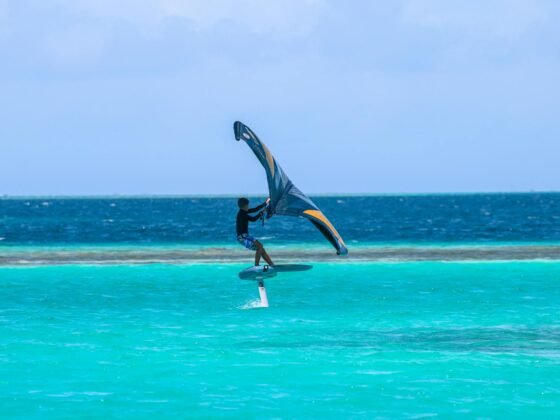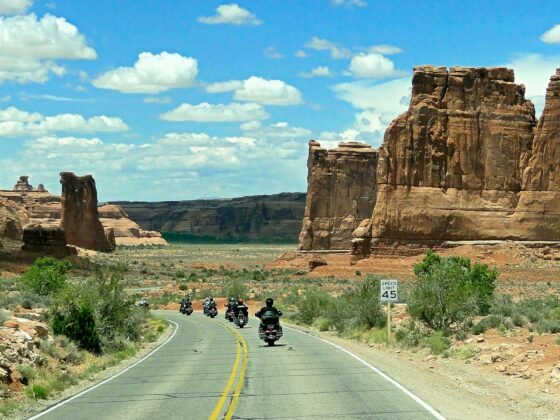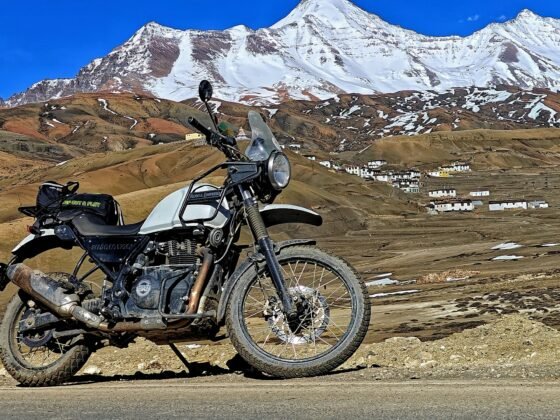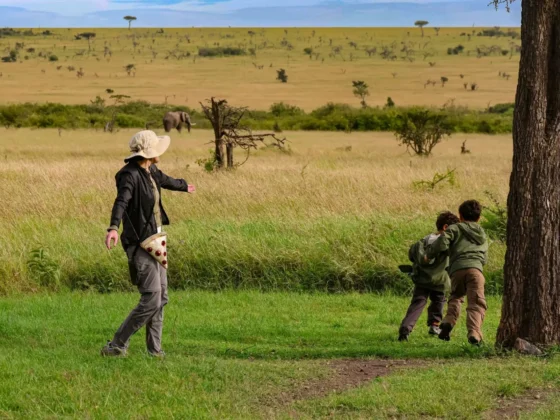

Some of the most rewarding holidays combine very different experiences. One day you are browsing a neighborhood market; the next, you are following a coastal path or joining a guided countryside excursion.
That variety makes packing more complicated. Comfortable city clothing may not suit an exposed trail, while filling your suitcase with outdoor equipment leaves little space for everything else.
A useful adventure travel packing list starts with your planned activities. For a holiday combining sightseeing with outdoor day trips, the aim is to bring adaptable essentials and the specific equipment each outing requires.
Match Your Packing List to Your Activities
“Adventure travel” can mean anything from a gentle woodland walk to a demanding mountain trek. Before buying equipment or choosing a bag, define what your itinerary actually involves.
For each outdoor activity, check the expected duration, terrain, weather exposure, and equipment requirements. If you have booked through a guide or tour operator, request their packing instructions.
Organize your list into several important groups:
- Everyday essentials: Clothing, toiletries, documents, and electronics.
- Self care products: Within toiletries, it pays to think beyond the basics. Sunscreen, lip balm, blister plasters, a spare pair of glasses, and choosing the right contact lens for the climate and conditions ahead, these are the small details that rarely make the main list but consistently make the biggest difference when you are out for a full day and far from the nearest shop.
- Outdoor essentials: Footwear, weather protection, a daypack, and items required for your excursion.
- Activity-specific extras: Equipment that is only needed for a confirmed experience.
This helps you spot genuine requirements without treating every possible activity as something you must prepare for.
Keep One Checklist for the Whole Trip
When a holiday includes several activities, it is easy to scatter packing reminders across booking emails, messages, and handwritten notes.
Bring everything into one checklist. A tool such as PackMyTrip can create a starting list based on your destination, trip duration, activities, and travelers. Travel companions can also contribute to a shared list, making it easier to coordinate common items.
Use the suggested list alongside your operator’s instructions. A general packing checklist is a useful starting point, but the details of your particular outing should determine your final equipment choices.
Assign shared belongings before departure. Knowing who has packed the camera charger or shared toiletries prevents both duplication and last-minute confusion.
Choose Clothing That Adapts Throughout the Day
A holiday wardrobe works harder when pieces can move between settings.
Comfortable trousers might suit a morning walk and an afternoon café stop. A simple breathable top can work alone in warm weather or beneath an extra layer when conditions change.
Build around clothing that you can combine easily:
- Comfortable base layers suited to the conditions.
- A warmer layer for cooler periods.
- Outerwear appropriate to expected rain and wind.
- Bottoms that allow comfortable movement.
- Enough socks and underwear for the time between washes.
Check conditions for your excursion location as well as your accommodation. A city forecast may not reflect what you will encounter at a higher elevation or along an exposed coast.
Keep any layer you may need during the day in your daypack, rather than buried in your main luggage.
Pick Footwear for the Most Demanding Planned Outing
Footwear deserves its own decision. Shoes that feel comfortable around a hotel may be unsuitable for a long day on uneven ground.
Choose your main pair around the terrain and walking involved. Follow your guide’s recommendations when specialist footwear is required, and wear the shoes before the trip to check their fit.
For evenings or downtime, add a lightweight second pair if useful. Avoid packing several options that serve the same purpose.
Pack spare socks for active days and consider how you will separate dirty footwear from clean clothing after an excursion.
Confirm What You Can Borrow or Rent
Some activities require bulky equipment that may be available at your destination.
Before packing items such as walking poles, snorkeling equipment, or specialist clothing, ask the operator exactly what is provided. Confirm availability, sizing, condition, charges, and whether advance reservations are needed.
Personal fit and comfort still matter. If a particular item is essential to your enjoyment, discuss it with the provider before deciding to leave your own behind.
The same principle applies to accommodation. Check towel provision and laundry access so you can avoid packing unnecessary duplicates.
Make Your Daypack Easy to Use
Your daypack should hold what you need for the outing without becoming an uncomfortable burden.
Follow the activity’s equipment list, then organize the contents so frequently used items are easy to reach. Water, snacks, weather protection, and navigation materials should have deliberate places.
Protect belongings that need to stay dry, and keep small items together in a pouch. Test the packed bag on a walk before departure to check comfort and adjust the straps.
After each excursion, remove rubbish, replenish supplies, and prepare the bag for the next day. A few minutes of organization at your accommodation lets you leave the following morning ready to enjoy wherever the itinerary takes you.
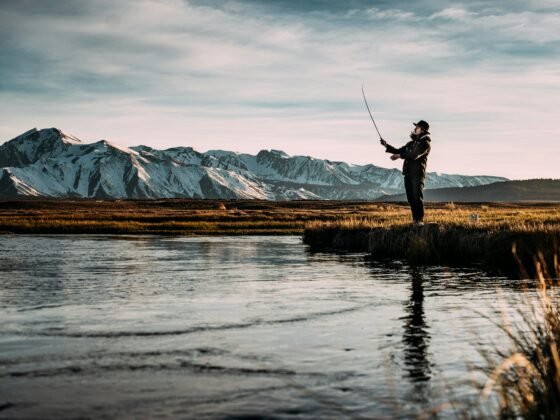
Photo by Galen Crout on Unsplash