Sunday 28 June 2026
Few annual events carry quite the same mix of colour, defiance and remembrance as Pride. For many travellers, Pride means music, flags, parades, street parties and a city turned briefly into a carnival of self-expression. Yet the reason Pride matters is that it was never only a party. Its modern form grew from protest, from people asserting the right to live openly, safely and equally. The date 28 June carries particular force because it marks the beginning of the Stonewall Uprising in New York City in 1969, a watershed moment in LGBTQ+ history.
The Stonewall Inn stood on Christopher Street in Greenwich Village, an area that had long drawn artists, outsiders and people looking for a little anonymity in the city. In the late 1960s, LGBTQ+ people in the United States faced widespread criminalisation, harassment and social exclusion. Police raids on gay bars were common. In the early hours of 28 June 1969, police raided the Stonewall Inn. This time, patrons and people in the street fought back. The confrontation and protests that followed over several nights did not begin the LGBTQ+ rights movement, which had older and quieter roots, but they changed its public energy.
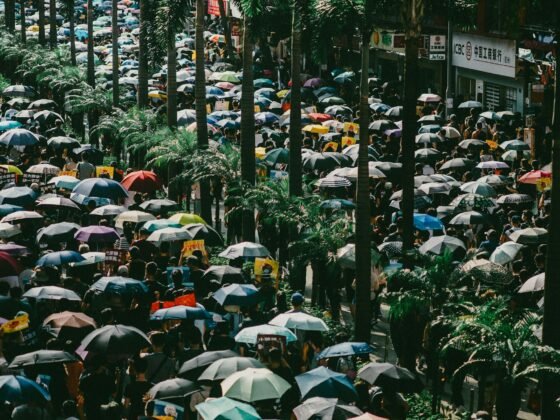
The first major commemoration came one year later. On 28 June 1970, activists organised the Christopher Street Liberation Day March in New York, walking from Greenwich Village towards Central Park. Thousands took part. Parallel events were held in other US cities, including Los Angeles, Chicago and San Francisco. What began as an anniversary march became a template. Over time, Pride spread across continents, taking different forms depending on local laws, risks, freedoms and cultures. In some cities it is joyful and heavily sponsored. In others, it remains a brave act of public visibility.
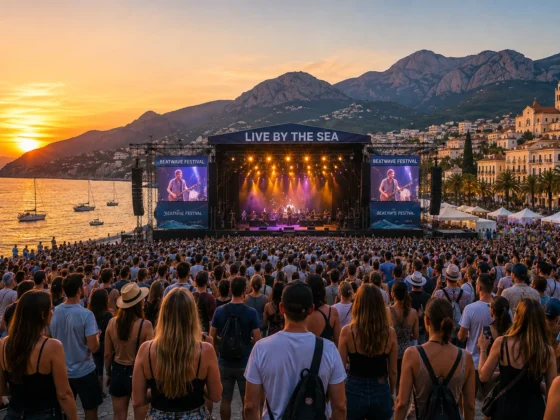
How Pride is celebrated today depends very much on where you are. In large cities, there may be a month of events: marches, vigils, film festivals, drag performances, concerts, family picnics, health campaigns, panel discussions, club nights and community fairs. The rainbow flag is the most familiar symbol, but Pride has never been a single story. Lesbian, gay, bisexual, transgender, queer, intersex, asexual and other communities have their own histories, flags, priorities and voices. Good Pride programming recognises that diversity rather than smoothing it into one easy image.
The most interesting fact about Pride is perhaps its tension: it is both celebration and unfinished work. The early marches used the language of liberation. They demanded visibility, legal change, safety and dignity. Later parades became larger, more mainstream and, in some places, more commercial. That evolution has brought benefits, including wider acceptance and corporate support, but it has also prompted debate about whether Pride should remain rooted in protest. In many countries, those arguments are not theoretical. LGBTQ+ people still face criminalisation, censorship, violence or family rejection.
For travellers, the best place to celebrate the Stonewall anniversary is still New York City. Greenwich Village gives Pride a geography. You can stand outside the Stonewall Inn, visit Stonewall National Monument and walk the surrounding streets with an awareness that history here happened at pavement level. In 2026, 28 June falls on a Sunday, the traditional day for the NYC Pride March, making it especially resonant. New York’s Pride is not only one of the best-known celebrations in the world; it is also the one most directly connected to the events that gave modern Pride its symbolic date.
A good Pride visit to New York should be more than a parade day. Start in Greenwich Village, where the narrow streets and low-rise buildings still feel different from Midtown’s vertical rush. Look for Christopher Park, the Stonewall Inn and nearby LGBTQ+ historic sites. The neighbourhood’s cafes, bookshops and bars tell a wider story of community and survival. Then follow Pride uptown through the city, watching how remembrance becomes public celebration. The scale can be overwhelming, but the small moments are often the most memorable: an elderly couple holding hands, teenagers arriving with painted faces, families cheering from apartment windows.
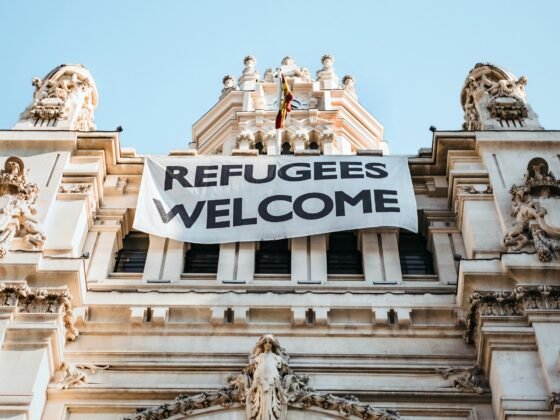
There are other remarkable places to experience Pride. Sao Paulo is often described as hosting the world’s largest Pride parade by attendance, filling Avenida Paulista with immense crowds. Madrid has one of Europe’s most exuberant celebrations. London, whose own first official Pride march took place in 1972, offers a highly visible parade through the capital and a strong community programme. Amsterdam’s canal parade is distinctive, with boats rather than floats. Each city reveals a different relationship between activism, public space and joy.
The day is also marked in quieter ways. Some people attend vigils for those lost to violence or AIDS. Others volunteer with community organisations, raise funds for LGBTQ+ youth services, visit archives, watch documentaries or read writers such as Audre Lorde, James Baldwin, Jeanette Winterson, Armistead Maupin or Shon Faye. In places where public Pride events are not safe, private gatherings may carry just as much meaning.
Anyone travelling for Pride should remember that the event belongs first to the communities it represents. Being an ally is not complicated: be respectful, listen, support local LGBTQ+ venues and organisations, and understand that Pride’s glitter sits on serious ground. It is possible to dance and remember at the same time.
Pride also offers a useful travel contrast. Some destinations are best for history, others for scale, nightlife or civic symbolism. New York is the origin point for the Stonewall anniversary; Sao Paulo shows the mass public power of Pride in Latin America; London demonstrates how a capital can turn official landmarks into a route of visibility; and smaller regional Prides often feel more intimate and community-led.
The most interesting coverage does not simply list the biggest crowds. It asks what Pride means in that place, who organises it, what freedoms are being claimed, and whose stories have previously been pushed to the margins. It combines place, people, politics and atmosphere, while reminding readers that a great city is not only measured by monuments but by who is able to feel safe in its streets, and who is still asking to be seen clearly and safely.
Pride endures because it answers shame with visibility. The Stonewall anniversary reminds us that history often turns when ordinary people refuse to disappear. A police raid on a small bar in New York became a global calendar date, not because the struggle ended there, but because something irreversible was spoken in the street: we are here. More than half a century later, that message still travels, city by city, flag by flag, person by person.
Photo by Margaux Bellott on Unsplash