Monday 22 June to Sunday 28 June 2026
From Monday 22 June to Sunday 28 June 2026, the calendar seems to glow at the edges. In Alicante, midsummer is marked with fire. At Cusco, the sun becomes ceremony. Visit Montréal and music begins to take over the streets. In Toronto, Pride fills the city with colour, performance and meaning. The main dates are clear: Alicante’s Hogueras de San Juan run from 20 to 24 June, Inti Raymi takes place in Cusco on 24 June, the Festival International de Jazz de Montréal runs from 25 June to 4 July, and Pride Toronto reaches its festival weekend from 25 to 28 June 2026.
I like weeks like this because they make choosing a trip feel less abstract. You are not just picking a beach, a city or a country. You are choosing a mood. Fire, sun, music or pride.
Alicante: when the city waits for the flames
I first understood Alicante at night. By day, it had seemed easy enough to read: blue sea, palm trees, bright tiles, castle above the city, people moving slowly in the heat. Then evening came, and the streets changed. Tables filled. Children stayed up later than seemed possible. Someone somewhere was setting off fireworks, and nobody looked surprised.
During the Bonfires of San Juan, that sense of controlled chaos becomes the whole point. The festival is officially celebrated from 20 to 24 June, with Alicante’s tourism office describing it as a citywide eruption of light, colour, music and fireworks. The creative, satirical monuments known as hogueras are placed around the city before being burned in the dramatic Nit de la Cremà on 24 June.
For this particular travel week, the best stretch is Monday 22 to Wednesday 24 June, when anticipation builds towards the blaze. The days can still be wonderfully simple. Swim at Postiguet Beach. Walk up to Santa Bárbara Castle. Linger over rice by the sea. Then, as the light begins to soften, follow everyone else into the streets.
What I love about Alicante at this moment is that it turns a familiar Mediterranean break into something stranger and more local. This is not just a beach holiday with fireworks added at the end. The festival belongs to the neighbourhoods. The figures are funny, sharp, beautiful and temporary. They make their point, stand in the street for a few days, then disappear into flame.
A few small pieces of advice make the trip easier:
- Stay central, or close enough to walk back late.
- Expect noise, crowds and very late nights.
- Leave space in the evening rather than booking every dinner too tightly.
- Do not skip the fireworks; they are part of the rhythm, not a side event.
Alicante during San Juan is not a place for early bedtimes. It is a place to surrender a little.
Cusco: standing still for the sun
The first time I arrived in Cusco, I made the mistake of walking too fast. The city corrected me within minutes. At that altitude, pride is useless. You slow down, breathe properly, and let the stone streets set the pace.
That is one reason Inti Raymi feels so powerful here. Cusco is already a city that asks you to pay attention, to the mountains, the churches built over older foundations, the Quechua words still woven into daily life, the sudden views that appear at the end of steep lanes. On Wednesday 24 June 2026, it becomes ceremonial.
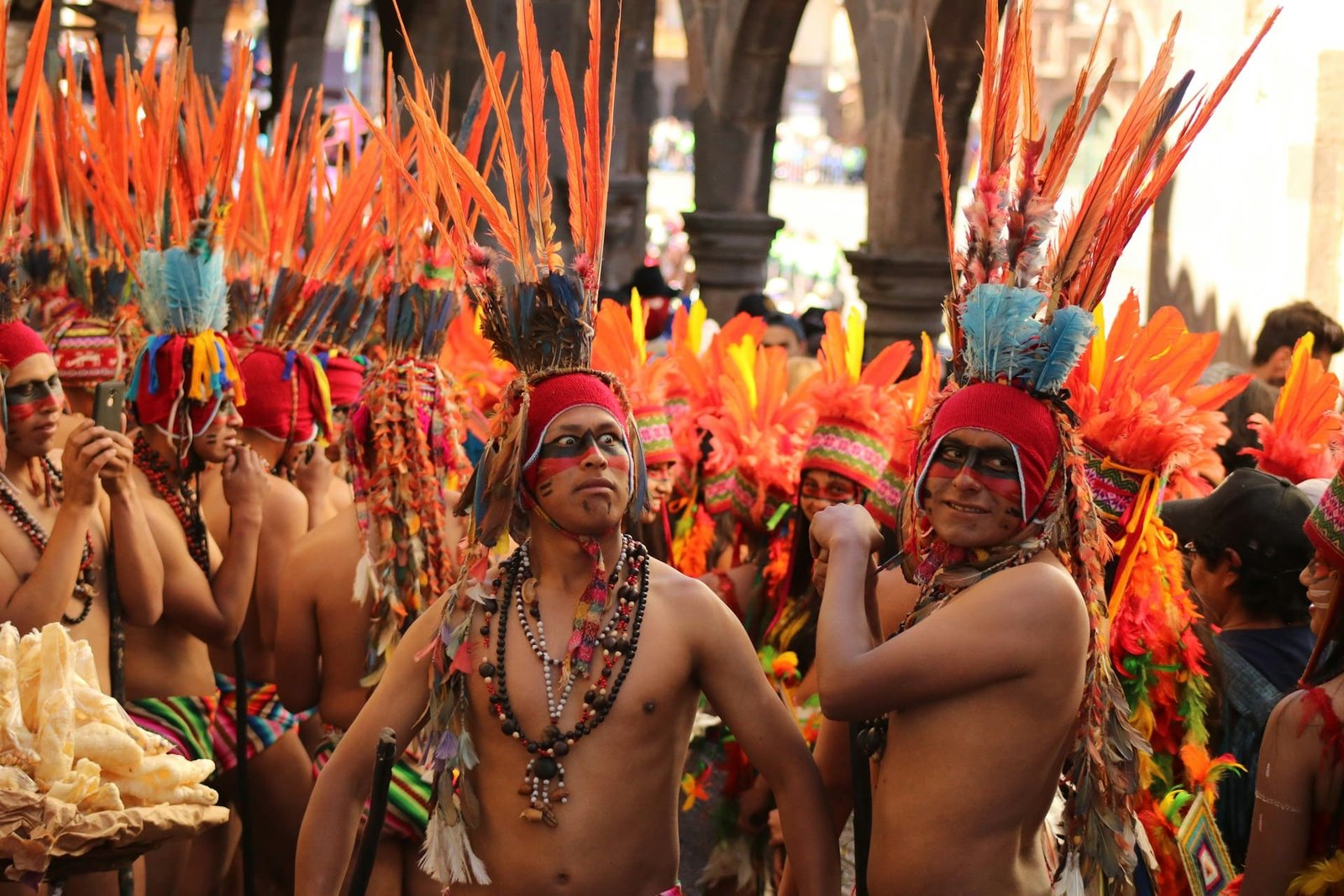
Inti Raymi, the Festival of the Sun, is celebrated every year on 24 June. The modern staging moves through three important locations: Qorikancha, Plaza de Armas and Sacsayhuamán, with music, dance, processions and a formal reenactment rooted in Inca heritage.
For many travellers, Cusco is treated as a gateway: somewhere to acclimatise before Machu Picchu, the Sacred Valley or a trek. Inti Raymi changes that. It makes the city feel like the centre of the journey rather than a pause before the famous view.
I would not rush it. Arrive at least two or three days early, partly because of the altitude and partly because Cusco deserves slower travel. Spend a morning in San Blas, visit the museums, sit in the Plaza de Armas and watch the city gather itself. By the time 24 June arrives, you will understand more of what you are seeing.
The event itself is colourful and formal, but what stayed with me most in Cusco was the feeling of layers: Inca walls beneath colonial balconies, old rituals reimagined in a modern city, visitors watching something that is not performed only for them. That distinction matters. Inti Raymi is spectacular, but it is not merely spectacle. It is identity made visible.
For a longer Peru holiday, this is the date to build around. After Inti Raymi, continue into the Sacred Valley, take the train to Machu Picchu, or travel more slowly through Andean villages. The festival lasts a day. The journey around it can fill two weeks.
Montréal: jazz in a city that already has rhythm
Montréal has always felt to me like a city with a soundtrack. It is there in the clatter of plates on terraces, the mix of French and English at the next table, the cyclists slipping past, the late-night bars, the bagel shops still warm inside.
When the Festival International de Jazz de Montréal begins on Thursday 25 June, that soundtrack becomes official. The 2026 festival runs until Saturday 4 July in the Quartier des Spectacles, bringing the city into one of its most joyful seasons.
The beauty of Montréal’s jazz festival is that it does not require you to be a jazz expert. Of course, serious music lovers will find plenty to chase. But for the rest of us, the pleasure is in drifting between stages, streets and late-night venues, catching a brass section here, a singer there, and letting the city do what it does best.
Late June suits Montréal. The winter has gone from memory, terraces are busy, Mount Royal is green, and the city feels relieved to be outside. You can spend the day in Mile End, eat your way through Jean-Talon Market, wander Old Montréal, then return downtown as the evening crowds gather.
It is a particularly good trip for travellers who want culture without sacrificing ease. Montréal is walkable, sociable and full of good food. The festival gives the break structure, but not pressure. You can plan around one or two ticketed performances, then leave the rest loose.
I would go for the music, but I would stay for the in-between moments: coffee on a pavement table, a walk up Mount Royal in the morning, the smell of bagels, the sudden feeling that you have slipped into a city that knows exactly how to enjoy summer.
Toronto: Pride as celebration and belonging
Toronto can feel huge at first. The skyline rises fast, the streets run long, and every neighbourhood seems to contain another version of the city. But during Pride, that scale becomes part of the beauty. There is room for multitudes here.
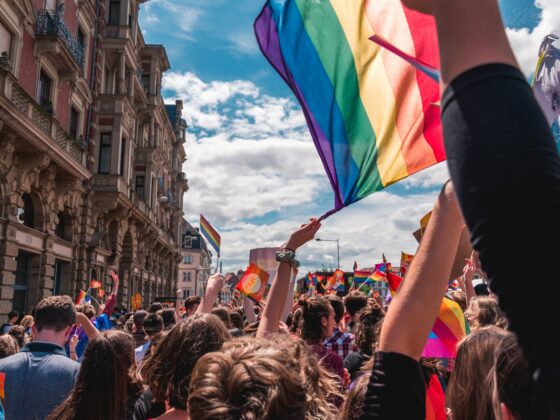
Pride Toronto’s festival weekend runs from 25 to 28 June 2026, with the wider month building towards marches, performances and the Pride Parade. Destination Ontario describes it as Canada’s largest Pride event, with the festival weekend including the Trans March, Dyke March and Toronto Pride Parade.
The emotional heart is often around Church-Wellesley Village, but the feeling spreads much further: stages, community events, parties, vigils, food, chosen family, old friends, first-timers, visitors, locals, people watching from balconies, people dancing in the street. Pride Toronto’s own mission focuses on celebrating 2SLGBTQI+ stories, talent and achievements, while advocating for human rights, and that deeper purpose matters.
For travellers, Toronto Pride makes a strong long weekend because the city is easy to build around. You can spend one morning at the waterfront, take the ferry to the Toronto Islands, visit the Art Gallery of Ontario, eat through Kensington Market, or add a side trip to Niagara Falls if there is time.
But I would not overfill the itinerary. Pride is best experienced with space. Leave time to stand still. Leave time to be moved by a march, surprised by a performance, or pulled into a conversation with someone who came for reasons entirely different from your own.
Toronto during Pride is joyful, but not shallow. It is celebration, visibility and community all at once.
Four ways to follow late June
What I like about this week is how different the choices are. Alicante is all heat and flame. Cusco is ceremony and altitude. Montréal is rhythm and summer ease. Toronto is pride, identity and big-city energy.
For travellers still deciding what kind of escape they want, the mood matters as much as the map:
- Choose Alicante for Mediterranean nights, fireworks and a beach break with drama.
- Choose Cusco for culture, history and a Peru journey shaped by meaning.
- Choose Montréal for music, food and a relaxed city festival atmosphere.
- Choose Toronto for Pride, performance, nightlife and community.
Canada offers the neatest pairing. Montréal and Toronto are linked by rail and frequent flights, so a traveller with a little more time could begin with jazz in Montréal and continue to Toronto for Pride weekend. The contrast works beautifully: Montréal feels intimate, stylish and European-influenced; Toronto is bigger, brighter and more global.
Still, each destination stands on its own. That is the strength of this week. These are not decorative events placed on top of ordinary holidays. They are reasons to travel at this exact moment.
Late June is often sold as the beginning of summer. But in Alicante, Cusco, Montréal and Toronto, it feels like something fuller than a beginning. It feels like the season has already found its voice — crackling, singing, cheering, and asking us to come closer.
Photo by Viajes con Astro Cartografía on Unsplash