Thursday 30 July 2026
International Day of Friendship is one of the gentler observances in the United Nations calendar, but it should not be dismissed as sentimental. Marked every year on 30 July, it rests on a serious idea: friendship between people, cultures and countries can help build peace. In a world often described through division – borders, conflicts, identities, algorithms and arguments – the day makes a modest but radical claim. Human connection matters. It can soften fear, open conversation and turn strangers into hosts, neighbours or travelling companions.
The modern UN observance was proclaimed by the General Assembly in 2011, but the idea has older roots. One important strand comes from Paraguay, where Dr Ramon Artemio Bracho and friends founded the World Friendship Crusade in Puerto Pinasco in 1958. Their aim was to promote friendship and fellowship among people regardless of race, colour or religion. The movement helped establish 30 July as a date associated with friendship in Paraguay and later campaigned for wider international recognition.
The UN version also connects to UNESCO’s concept of a Culture of Peace: values, attitudes and behaviours that reject violence and try to address the roots of conflict.
There is also a more commercial history. In the early twentieth century, greeting card companies promoted friendship days in parts of the United States, with limited long-term success. But the UN observance is not really about cards. It is about education, public awareness, cultural exchange and youth engagement. Its emphasis is on friendship between peoples as well as individuals. That gives the day a surprisingly broad reach, from school classrooms to international diplomacy.
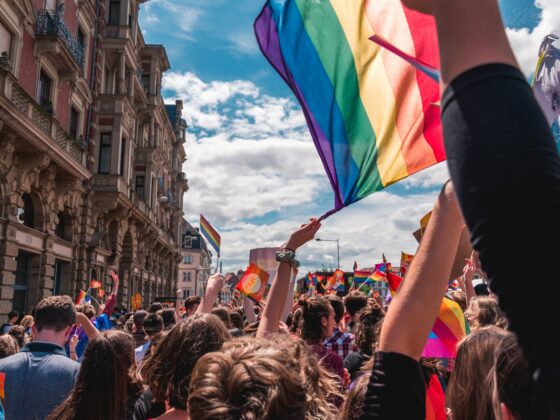
How it is celebrated depends on local custom. Some people exchange messages, gifts or friendship bracelets. Schools organise activities around kindness, inclusion and anti-bullying. Community groups hold intercultural meals, language exchanges, sports events or art projects. Cities with diverse populations may use the day to celebrate migrant communities and neighbourhood connection.
Online, it can be light-hearted: photographs with friends, old memories, messages to people far away. At its best, though, the day goes beyond nostalgia and asks people to make new connections as well as honour old ones.
One of the interesting facts about Friendship Day is that different countries celebrate friendship on different dates. The UN date is 30 July, but Argentina, Brazil and Uruguay are known for celebrating Friend’s Day on 20 July, inspired in part by the Apollo 11 Moon landing as a symbol of unity. India and several other countries often mark Friendship Day on the first Sunday of August. Paraguay has its own strong July tradition, including games such as ‘amigo invisible’, similar to a secret gift exchange. This variety is fitting. Friendship is universal, but its rituals are local.
For travellers, International Day of Friendship is an easy theme to make meaningful. Travel is built on temporary friendships: the guide who changes how you see a landscape, the person who shares directions at a station, the family who invites you to taste something homemade, the fellow passenger who becomes a dinner companion. Some of the most durable travel memories are not monuments but conversations. The day is a reminder that tourism works best when it is relational, not extractive.
Where to Go
The most symbolically appropriate place to celebrate the day would be Paraguay, especially Asuncion or, for the truly curious, the story’s roots in Puerto Pinasco. Paraguay remains under-visited by international tourists compared with its South American neighbours, which makes it intriguing for travellers who enjoy places with fewer set narratives. Asuncion offers colonial architecture, riverside views, markets, music and a slow-paced urban character. Around 30 July, the country’s longstanding friendship traditions give the UN day a local authenticity.
A different kind of Friendship Day journey might lead to Buenos Aires, where the July celebration of friendship is deeply embedded in social life. Restaurants and bars fill with groups of friends, and the city, already famous for conversation, late dinners and public sociability, becomes an ideal stage for the ritual of meeting. Although Argentina’s date is 20 July rather than the UN’s 30 July, the spirit is closely related. It shows how friendship can become part of a city’s rhythm.
European Destinations
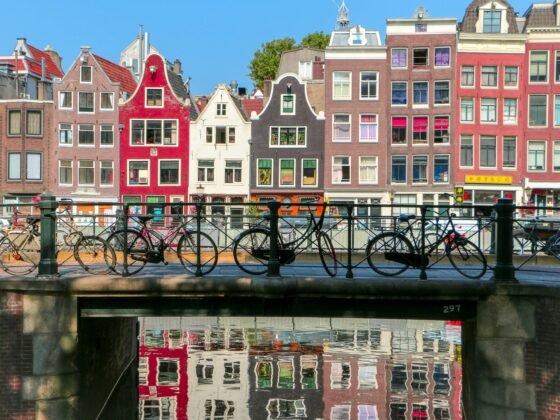
For a European angle, cities such as Vienna, Barcelona, Lisbon or Copenhagen work beautifully, not because they own the day, but because they are made for sociable travel: walkable streets, public squares, cafes, parks and a culture of lingering. In the UK, the day can be marked simply by planning a reunion, arranging a walk, sharing a meal or visiting somewhere that invites conversation rather than rushing. The destination does not have to be exotic. A friendship trip succeeds when it gives people time.
The day also has a deeper political edge. International friendship is not the same as pretending differences do not exist. Real friendship between cultures involves curiosity, respect and the willingness to be changed by encounter. It resists caricature. It asks people to learn names, histories, foods, songs, jokes and griefs that are not their own. In that sense, it is close to responsible travel. The best travellers do not merely collect destinations; they practise attention.
There are simple ways to celebrate without leaving home. Invite neighbours from different backgrounds for tea or a meal. Support a community event. Write to an old friend. Introduce two people who might help each other. Learn a few words in another language. Visit a local cultural festival. Volunteer for a befriending service that supports isolated people. In an age of loneliness, friendship is not a decorative extra. It is part of public health, resilience and belonging.
For travel brands and writers, the day is also a useful prompt to think about how people actually choose holidays. Many trips happen because friends make them happen: a long-postponed city break, a reunion weekend, a walking holiday, a milestone birthday, a shared adventure after a difficult year. Articles built around friendship travel can therefore be practical as well as warm, focusing on destinations that make group travel easy: good public transport, varied budgets, flexible accommodation, safe nightlife and plenty of shared experiences.
International Day of Friendship may sound soft, but softness is sometimes underrated. The world does not only change through treaties, elections and summits. It changes when people sit together, trust grows, and fear loses its grip. The day began with an idealistic belief that friendship could cross boundaries. That belief may be simple, but it is not naive.
Every peaceful border, every mixed neighbourhood, every exchange programme, every shared meal and every unlikely conversation depends on it. Friendship is the smallest bridge between peoples, but small bridges are often the ones we cross first.
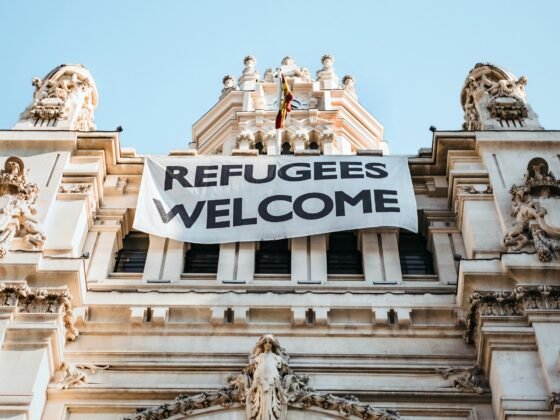
Photo by Levi Guzman on Unsplash