Botswana is often described as Africa’s premier safari destination, and it also has a reputation for being one of the most expensive. For many travellers, that raises an obvious question: what exactly are you paying for?
Botswana’s price point is not accidental. It reflects a deliberate model built around exclusivity and conservation. The landscape is spectacular, with mesmerising sunrises and sunsets, and offers a real chance to immerse yourself fully in nature, from the big cats of the open plains to the tiny reed frogs and colourful kingfishers of the waterways.
A low volume, high value approach
Unlike South Africa, Botswana has long pursued a low impact, high value tourism policy. The aim is simple: fewer visitors, less pressure on wildlife, and higher revenue per guest.
In practice, that means:
- Limited bed numbers in key areas
- Strict controls on development
- Large private concessions with very few camps
The result is a safari experience that feels genuinely wild. It is entirely possible to spend a morning on safari without seeing another vehicle, something that is increasingly rare elsewhere in Africa.
Geography and logistics
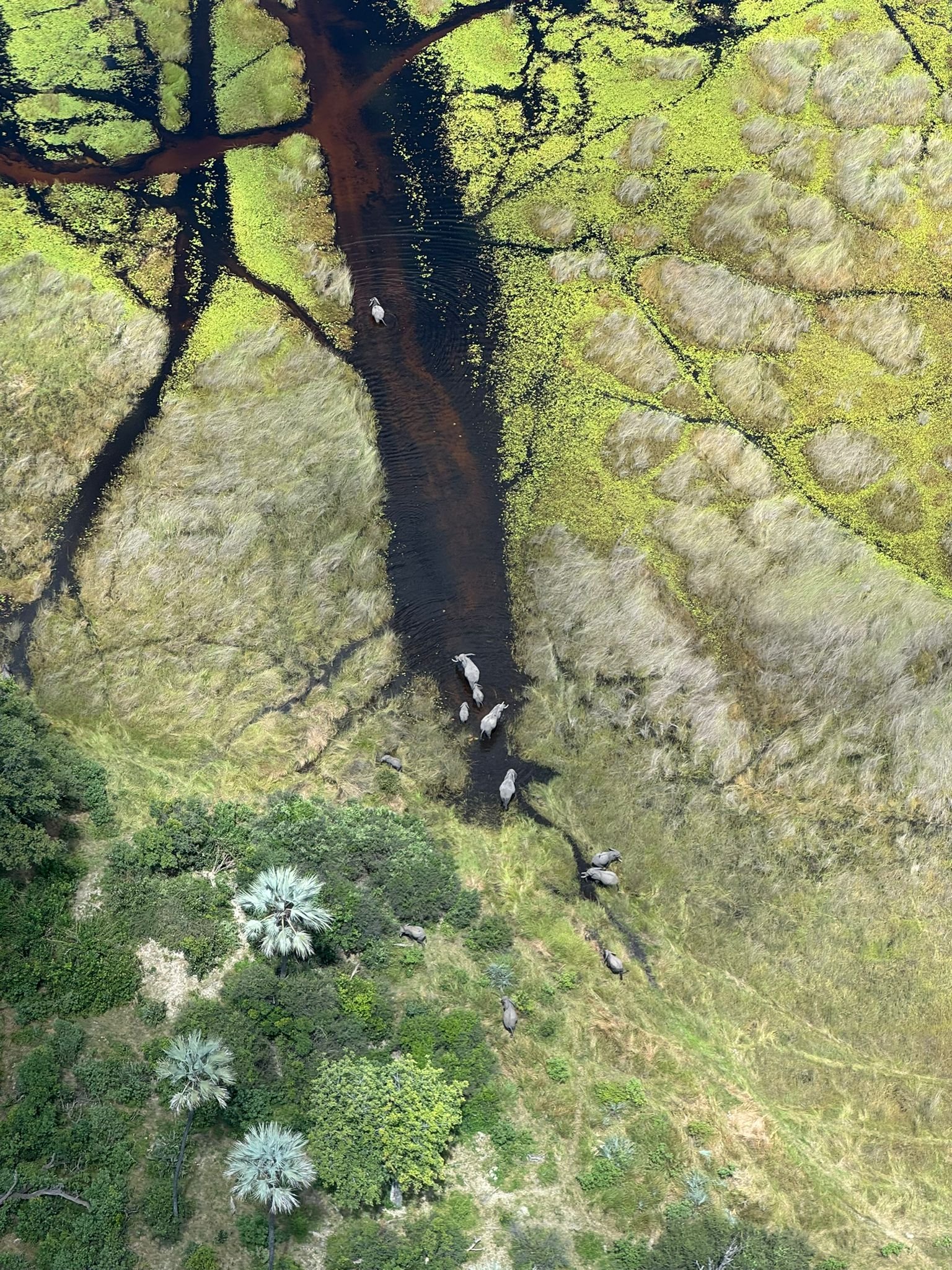
Botswana’s landscapes are part of its appeal and part of the cost.
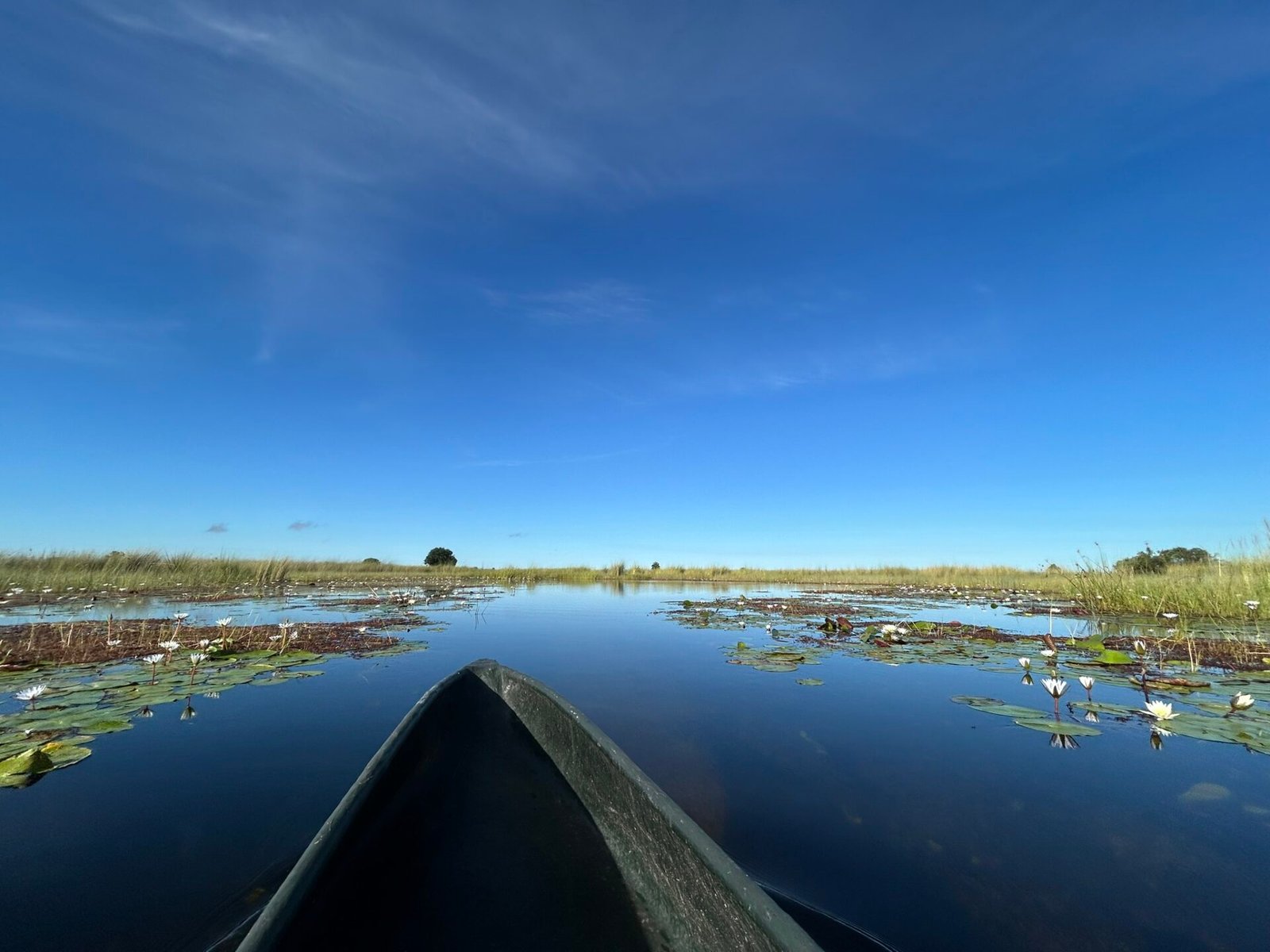
The country’s most famous region, the Okavango Delta, is a vast inland wetland, seasonally flooded and largely inaccessible by road. Many camps are reached by light aircraft, and in some cases helicopter transfers are used to access more remote areas.
A typical safari itinerary might include any of the following:
- The Okavango Delta, a network of private concessions and community areas linking islands, waterways and open plains, ideal for both land and water based safari
- Moremi Game Reserve, a public reserve within the Delta, known for beautiful mopane woodland and excellent game viewing
- Chobe National Park, a vast park famous for its herds of elephant and buffalo, with boating and game drives
- The Central Kalahari Game Reserve, a remote and often surprising landscape of scrub grassland. It offers the chance to see oryx, brown hyena, steenbok, eland, kudu and Kalahari lion, and is also one of the best places to gain insight into the culture and traditional knowledge of the San people, whose deep understanding of this environment adds a unique human dimension to the experience
- The Makgadikgadi and Nxai Salt Pans, a surreal expanse of shimmering white pans studded with the occasional baobab. The pans fill during the December to March rains, drawing wildlife to the surrounding grasslands, including migrating zebra and flamingos
Moving between these regions efficiently almost always involves flying. These logistics are a major contributor to overall cost, but they are also what make Botswana feel so remote and exclusive.
Small camps, high standards
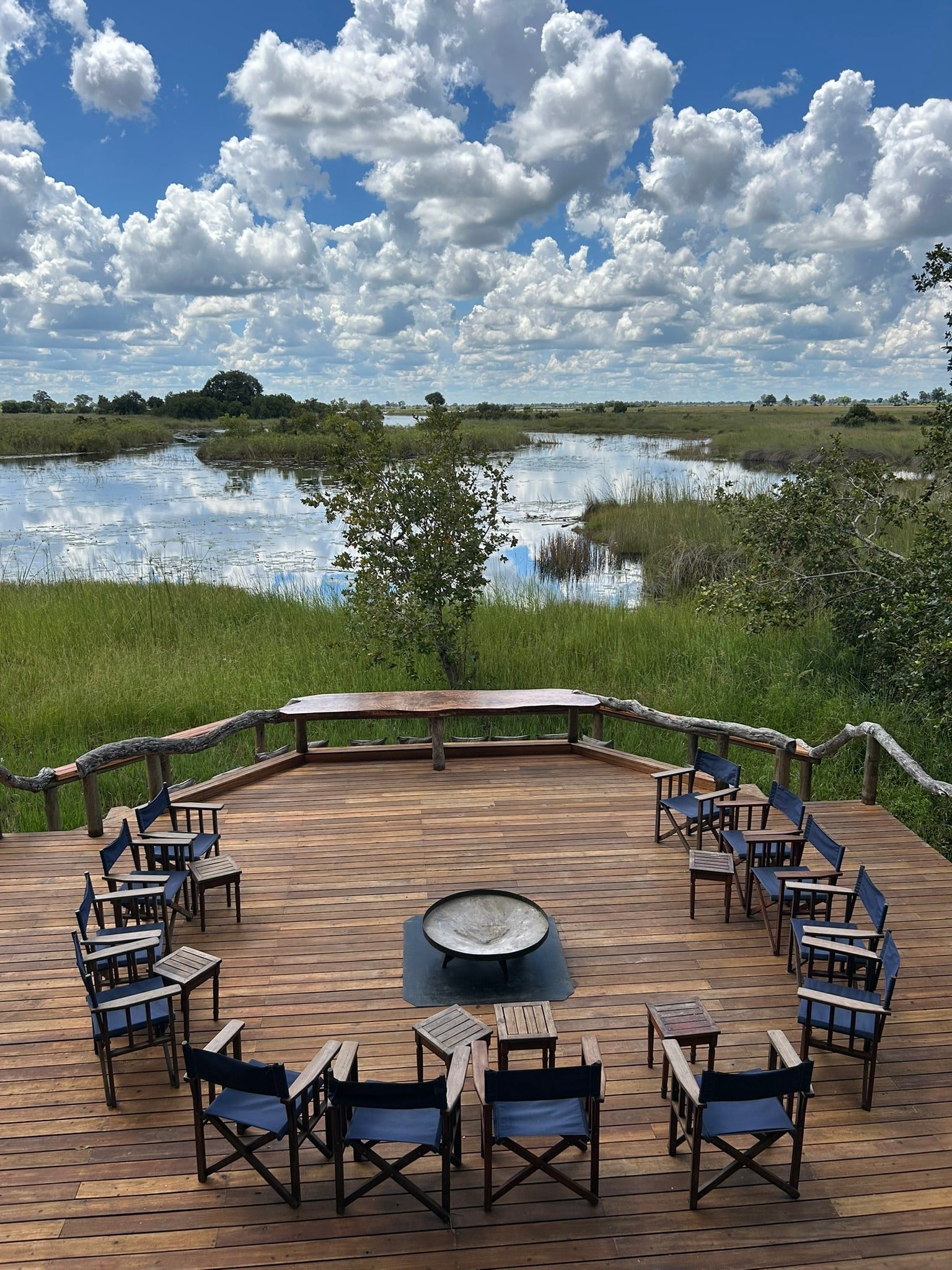
Botswana camps, particularly those in private concessions, tend to be intimate by design and rarely exceed a dozen tents, especially at the top end. This creates a very different atmosphere from larger lodges found elsewhere in Africa.
You are paying for:
- Space and privacy
- High staff to guest ratios
- Personalised guiding and hosting
Even at the more accessible end of the market, camps are typically limited to around 8 to 12 tents, hosting no more than 24 guests. Compared to other safari destinations, the difference in density is striking.
At the very top end, camps such as Mombo, Zarafa and Xigera command rates running into the thousands of dollars per person per night. These rates are generally inclusive of accommodation, meals, drinks, guiding and activities, but exclude international flights.
It is this combination of low guest numbers, high staffing levels and remote locations that drives cost.
Activities and access
Another key factor is what you are allowed to do.
Much of Botswana’s safari product is based in private concessions rather than national parks. This allows for a broader range of activities, including:
- Off road game driving
- Night drives
- Walking safaris
- Mokoro canoe excursions in the Delta
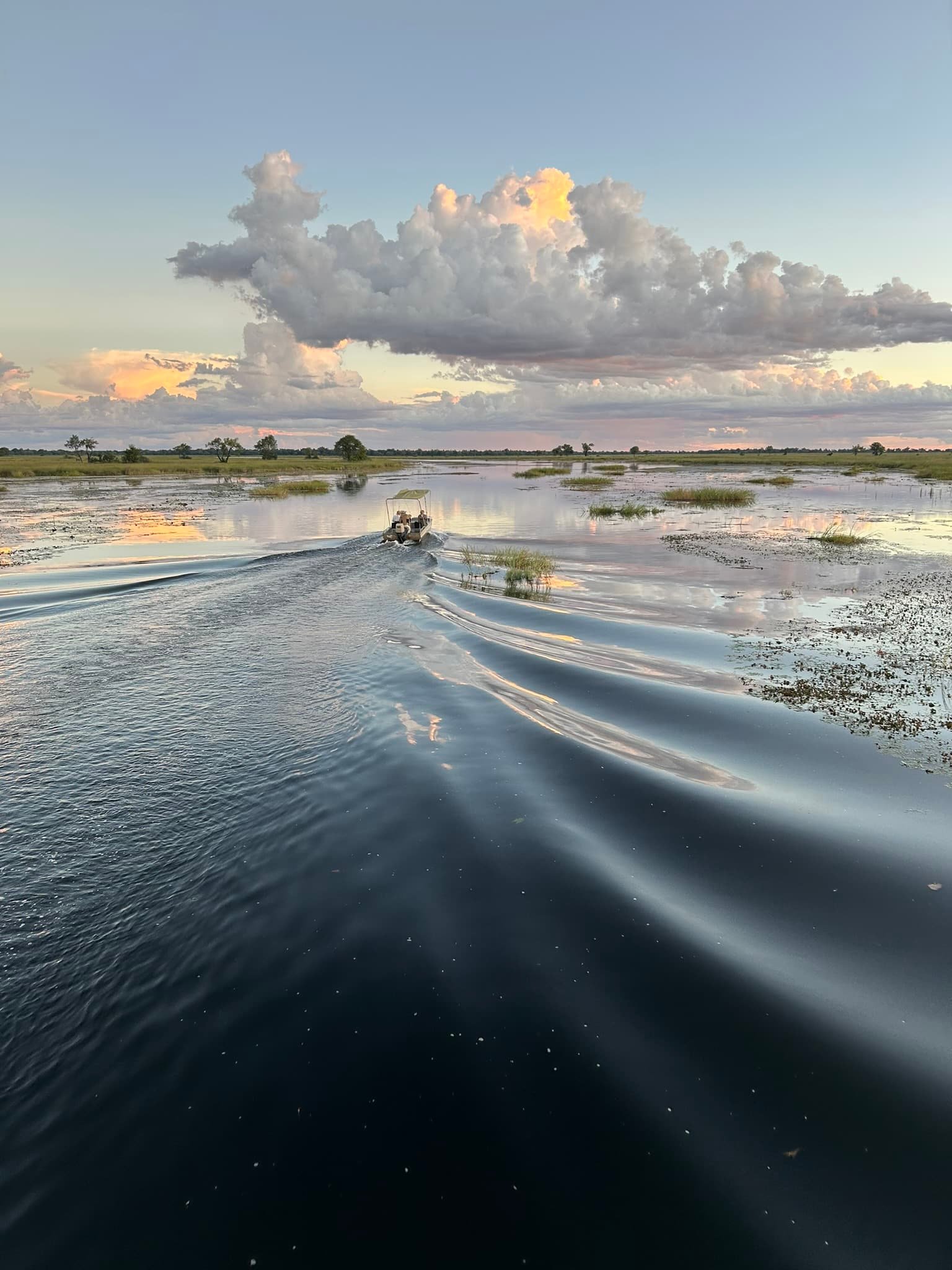
- Boat safaris in permanent water channels
This flexibility adds significantly to the quality of the experience, particularly for repeat safari travellers looking for something beyond standard game drives.
Guiding and hosting quality
Botswana has a strong reputation for professional guiding, supported by formal training and a culture that places real emphasis on field skills.
Good guiding is often what elevates a safari from good to exceptional. In Botswana, guides are typically:
- Highly experienced
- Deeply knowledgeable about ecosystems, not just wildlife sightings
- Skilled at tracking and interpreting animal behaviour
Hospitality is also notably polished, with a strong focus on detail, comfort and personalised service.
It is one of the less visible elements of cost, but one of the most important.
Conservation and fees
A significant portion of what you pay supports conservation.
This includes:
- Concession fees
- Park fees
- Community partnerships
- Anti-poaching and wildlife monitoring
Botswana’s model depends on tourism revenue to justify keeping vast areas of land under conservation rather than agriculture or development. In that sense, visitors are not just consumers, they are contributors to the system.
Can I do Botswana on a budget?
It depends what you mean by “budget”.
The most affordable way to experience Botswana is to self drive and camp, particularly in areas such as Moremi or Chobe. This requires careful planning, a suitable 4×4 vehicle and a degree of experience, but it offers a very rewarding and independent way to explore the country.
Alternatively, group camping safaris provide a more structured and accessible option. These tours usually include transport, guiding and simple accommodation, and can offer good value for those looking to experience Botswana without the high price tag of fly-in safaris.
Like anywhere, there is a range of price points, and there are lodges and camps that offer comparative value, particularly outside peak season. However, costs are still generally higher than in many other African safari destinations.
It is also worth noting that what most people consider a classic Botswana safari is the fly-in experience. Small camps in private concessions, accessed by light aircraft and offering a mix of land and water based activities, define the destination. This is where Botswana stands apart, and where costs are inevitably higher.
So, is it worth it?
Botswana is not for everyone.
If you are looking for a first safari on a tighter budget, there are more accessible options in East or Southern Africa. But if you are seeking:
- Space and exclusivity
- Exceptional guiding
- Diverse activities
- A strong conservation ethos
then Botswana delivers something genuinely distinctive.
It is expensive, yes, but it is also one of the few places where the value of the experience matches the price.
For those willing to invest in it, Botswana remains one of the most rewarding safari destinations in Africa.