There is a particular optimism to packing for a cycling holiday. The promise of long, open roads; unfamiliar climbs; coffee stops in quiet squares. It is easy to overpack in that mood. Equally easy to forget something fundamental.
A first trip is rarely about shaving grams or chasing marginal gains. It is about comfort, reliability and being prepared enough that small mishaps do not derail the week. With that in mind, here is what tends to earn its place in the bag.
Clothing that works day after day
Cycling kit is designed to be worn for hours, not admired on a hanger. Prioritise pieces you know are comfortable. Two or three pairs of bib shorts or waist shorts are usually sufficient for a week, especially if you can rinse them in the evening. Quality padding matters more than an expanded wardrobe.
Short-sleeved jerseys are the backbone of most trips, even in changeable climates. Add a lightweight base layer or two, a packable gilet and a long-sleeved layer for cooler mornings or descents. In the mountains, a proper waterproof jacket is not optional. Weather shifts quickly at altitude.
Do not neglect off-bike clothing. A pair of relaxed trousers or shorts, breathable T-shirts and something warmer for evenings will make you feel human again after a shower. Cycling shoes are stiff and purposeful; a pair of comfortable trainers or sandals will be welcome once the day’s riding is done.
Socks deserve more thought than they usually receive. Bring enough to avoid wearing damp pairs, and consider one thicker option if you are heading somewhere cool. Fresh socks can change the mood of a long day.
The small things that prevent big problems
Chamois cream, sunscreen and lip balm are easy to overlook. So are plasters and basic pain relief. They are not glamorous items, but neither is a saddle sore on day two.
A compact wash kit for your cycling gear — a small bottle of travel detergent and a sink plug — allows you to travel lighter. Most accommodation will not object to a discreetly strung-up line of bib shorts on a balcony.
If you use prescription lenses or contact lenses, pack spares. Losing or damaging eyewear abroad is inconvenient at best.
Tools and spares you will actually use
Even if you are joining an organised trip with mechanical support, it is sensible to carry your own basics on each ride: a multitool, tyre levers, spare inner tubes (or tubeless repair plugs), a small pump or CO₂ inflator, and a puncture kit. These are not specialist items; they are the everyday essentials of road cycling.
A rear light is wise, even if you do not expect to ride in the dark. Tunnels, overcast days and shaded mountain roads can all reduce visibility. Many cyclists now travel with front lights as well, used in flashing mode during daylight for added presence on the road.
If you are flying with your bike, include a few spare bolts and a small roll of electrical tape. It is surprising what can rattle loose in transit.
Documents and digital details
Passport, driving licence (if hiring a car), travel insurance documents, European Health Insurance Card or GHIC where relevant, and copies stored digitally. A small folder keeps everything together.
Cycling computers, charging cables and plug adaptors often end up scattered between rooms. Keep them in one pouch. Routes downloaded in advance can save frustration in areas with patchy signal.
Sun, wind and long hours in the saddle
Eye protection is less about appearance and more about clarity and comfort. On exposed roads, glare and crosswinds can cause fatigue over time. A well-fitting pair of cycling sunglasses shields against debris, insects and shifting light conditions, particularly on fast descents. Interchangeable lenses or photochromic options are useful if you expect to ride from bright midday sun into wooded climbs or late afternoon shade.
A cap or lightweight headband under the helmet can help manage sweat and protect from direct sun. It also offers a small layer of warmth when descending.
Hydration deserves planning. If you are travelling somewhere hot, check whether your bike can carry two bottles comfortably. Electrolyte tablets take up little space and can make a noticeable difference over consecutive long days.
Recovery is part of the plan
A foam roller might be ambitious luggage, but a small massage ball fits easily into a corner of a suitcase. Stretching in the evening helps the following morning feel less daunting.
Some riders swear by compression socks for travel days. Others simply prioritise sleep. Earplugs and an eye mask can be unexpectedly valuable if you are staying in a lively town during peak season.
Snacks from home are reassuring on unfamiliar roads. While local cafés are part of the pleasure, there will be stretches where nothing appears for miles. A couple of bars tucked into a jersey pocket prevent minor hunger from becoming something more draining.
Leave space for the experience
It is tempting to prepare for every eventuality. Yet most successful cycling holidays hinge on a few reliable items and a willingness to adapt. The roads will not be exactly as you imagined. Nor will the weather. That is part of the appeal.
Pack thoughtfully, but not fearfully. The essentials — clothing you trust, basic tools, documents in order, protection from sun and wind — form the backbone of the trip. Beyond that, the best thing you can bring is a measure of flexibility and a curiosity about where the next turning might lead.
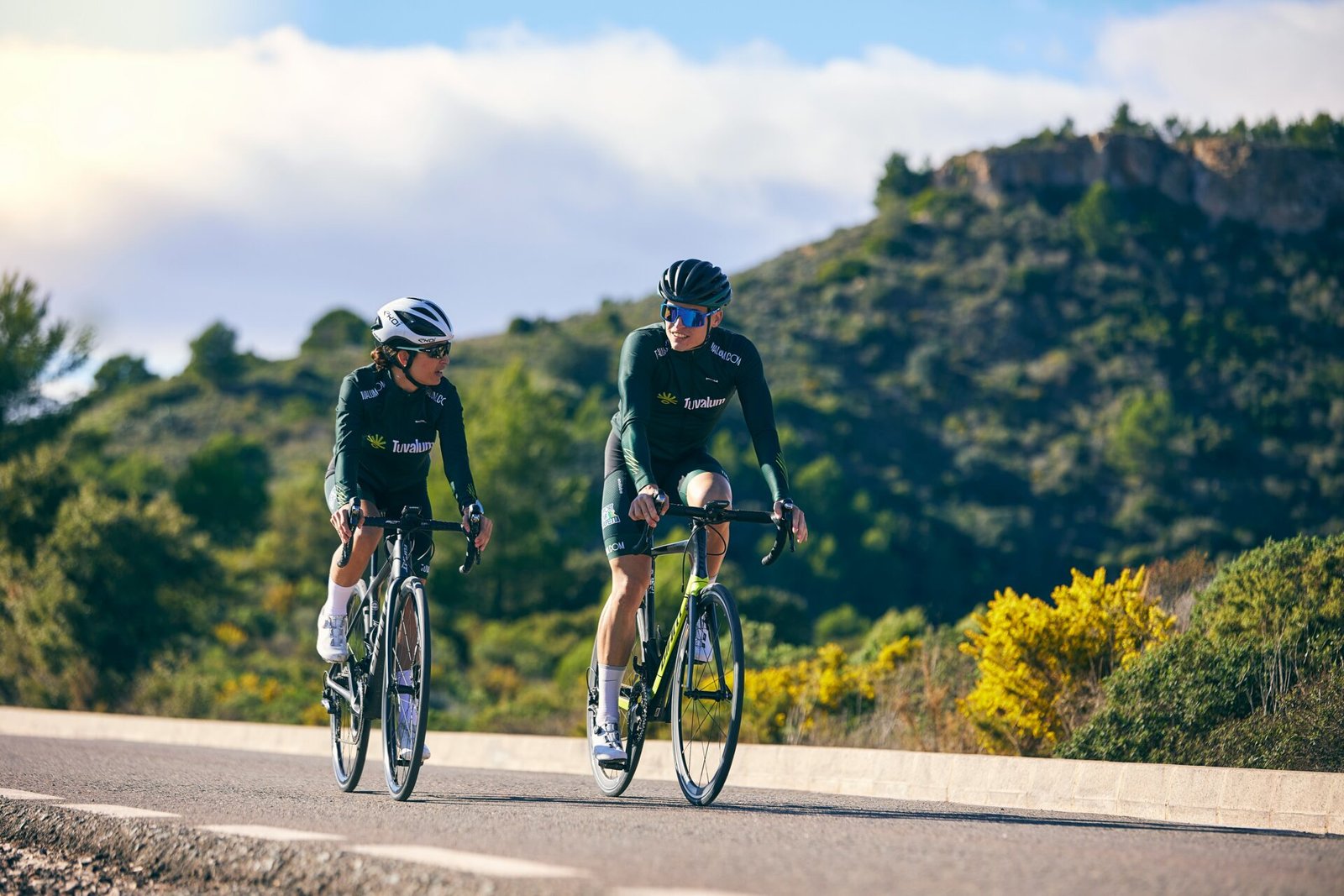
Image: Unsplash, Tuvalum