Some trips aren’t really about ticking off landmarks. They’re built around being outside for most of the day and letting the surroundings shape how things unfold. Europe has plenty of places where that’s easy to do without long transfers or complicated planning. You’ll find island roads that lead to quieter stretches of coast, and mountain trails that begin just beyond small towns. The destinations here are spread across different parts of Europe, but they’re experienced in much the same way on foot, by car, or occasionally by boat.
Discover the Unspoiled Natural Beauty of Evia, Greece
Evia sits just off the mainland but doesn’t feel like a typical Greek island. Crossing via the bridge from Chalkida, the shift is immediately noticeable. The tidal currents under the Evripos Bridge are worth pausing for, then the road opens out towards quieter stretches of coastline. Around Eretria and Amarynthos, the shoreline is easy to reach, with small access points and no organised beachfronts.
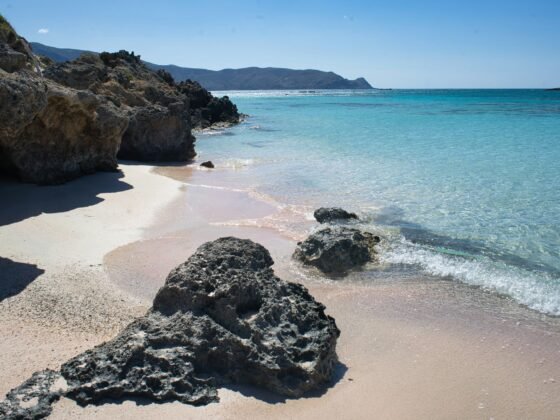
Further north, the landscape gradually changes. The drive toward Limni winds through pine forests, and from there, narrow roads lead down to coves where the water is clear and usually uncrowded. Edipsos is known for its thermal springs, and it’s possible to walk along the seafront and find spots where warm water runs into the sea.
Travellers will find Evia package holidays that cover different parts of the island, usually including transport from Athens, local accommodation, and access to areas like Karystos in the south or the forested north. Having that base arranged makes it easier to explore smaller villages and beaches that aren’t signposted in the same way as those on more developed islands.
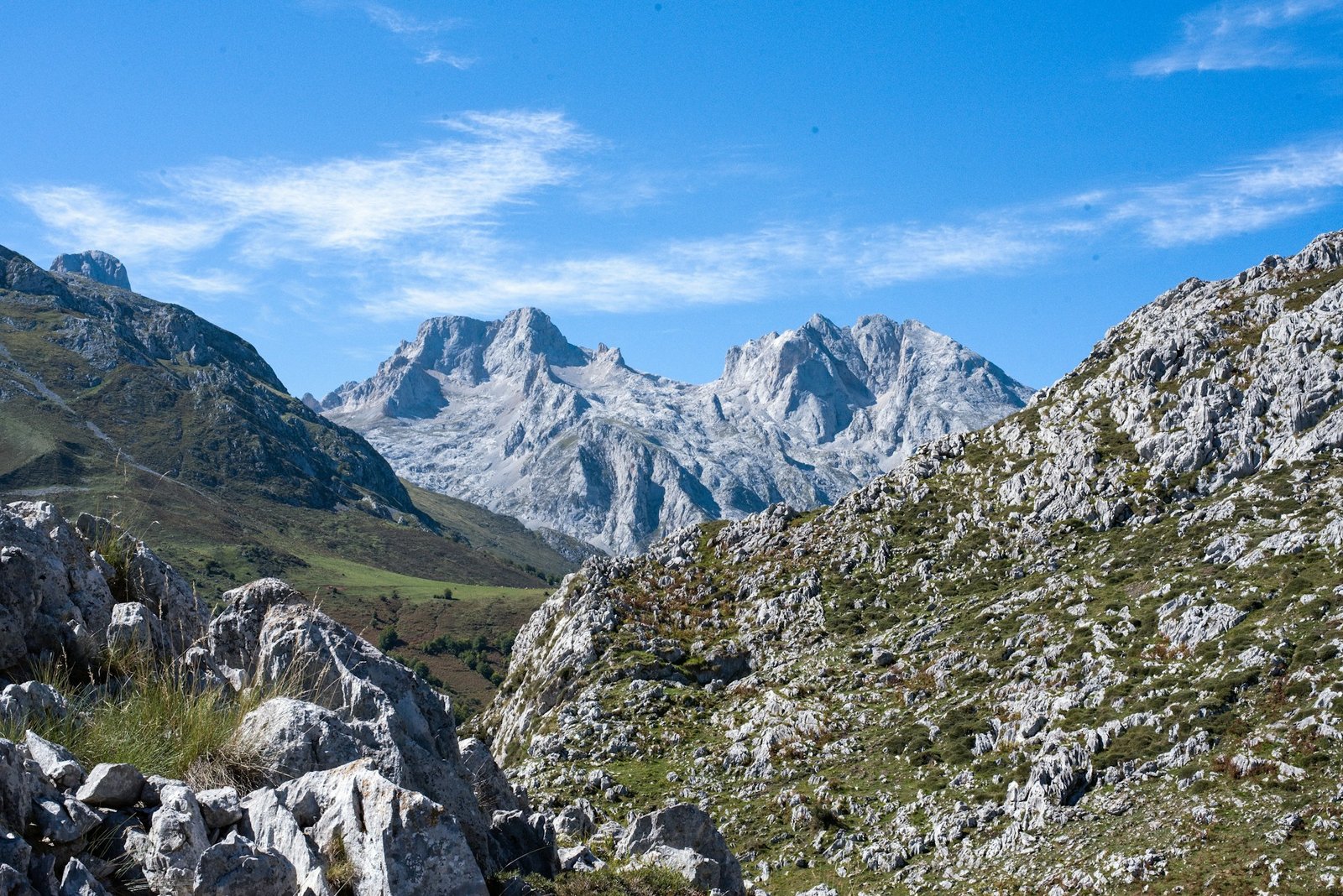
Hiking Through the Rugged Picos de Europa, Spain
The Picos de Europa doesn’t ease visitors in gently. Roads climb quickly from towns like Cangas de Onís, where the Roman bridge over the Sella River marks the start of the region. From there, it’s a steady ascent toward Covadonga, where a short walk leads to the lakes of Enol and Ercina. Early morning is the best time to reach them, as parking becomes limited as the day goes on.
Trails branch off in different directions, but one of the more accessible routes runs through the Cares Gorge. The path follows a carved route along the rock face, linking Poncebos to Caín. It’s narrow in sections but manageable, and the walk tends to take most of the day once breaks are factored in.
Staying in Arenas de Cabrales or Potes makes getting around easier, especially if driving. Buses exist, but they don’t always align with hiking schedules. The terrain sets the pace here, and distances that look short on a map often take longer in practice.
Exploring Coastal Nature Reserves in Sicily, Italy
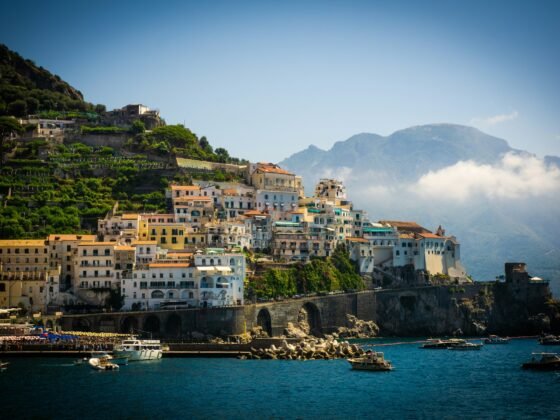
Sicily’s coastline isn’t one continuous stretch of beach. It’s broken up into reserves, cliffs, and smaller bays, many of which take a bit of effort to reach. The Zingaro Nature Reserve, between Scopello and San Vito Lo Capo, is one of the better-known examples. There’s no road through it, so entry points are limited, and once inside, walking is the only option. Paths run along the coastline, with access down to rocky coves.
On the eastern side, Vendicari Nature Reserve near Noto has a different feel. The terrain is flatter, with wetlands, old tuna-processing buildings, and long sandy sections like Calamosche Beach. Walking between these areas takes time, but the distances are manageable if split across a few stops.
Couples can find plenty of romantic villas for a Sicily getaway, particularly around Scopello or near the Val di Noto, where access to both coastal reserves and inland towns like Modica or Ragusa is much easier. Having a car is almost essential here, as public transport doesn’t reliably connect these more nature-focused spots.
Discovering the Floral Landscapes of the Algarve, Portugal
Away from Portugal’s busier coastal strips, parts of the Algarve feel distinctly rural. The area around Monchique, inland from Portimão, sits higher up, with winding roads that pass through eucalyptus and cork oak. Walking routes around Foia, the highest point in the region, open out into views that stretch toward the coast on clear days.
Back toward the sea, the western Algarve has stretches that feel less developed. The Costa Vicentina Natural Park runs along this coast, with cliffs and long beaches reached via dirt tracks. Around Carrapateira, paths link the headlands with Praia do Amado and Praia da Bordeira, where the landscape shifts between sandy dunes and rocky outcrops.
Lagos is a suitable base for exploring both the coast and inland areas. From there, it’s easy to drive out to Ponta da Piedade for early morning walks along the cliffs, then head inland later in the day. Distances aren’t far, but the roads slow things down slightly, which helps break up the day.
Exploring Cascading Lakes and Forests in Croatia
Plitvice Lakes National Park is one of those places where movement is controlled for a reason. Wooden walkways guide visitors across a series of lakes connected by waterfalls, and stepping off the path isn’t allowed. The main routes are clearly marked, with loop options for different timeframes.
Entering through Entrance 1 brings visitors straight to the lower lakes, where the canyon is deeper, and the water appears darker. Entrance 2 starts higher up, closer to the upper lakes, where the terrain opens out more. Boats and shuttle buses connect different sections, reducing the need for backtracking.
Staying in the nearby villages of Rastovača or Mukinje makes early entry easier because the park fills up quickly. Outside Plitvice, areas like Krka National Park offer a different layout, with wider paths and easier access to waterfalls. Both parks are manageable in a couple of days, especially if staying nearby, but they require some planning around entry times and transport.
Which sunny landscape calls to you?
Each of these destinations works on its own terms, shaped by terrain, access, and how people move through them. Evia spreads out across coastal roads and forested hills, the Picos de Europa pulls everything upward into the mountains, and Sicily’s reserves break the coastline into smaller, walkable sections. The Algarve shifts between inland high ground and exposed Atlantic edges, while the national parks of Croatia organise movement through defined paths and routes.
Choosing between them usually comes down to which environment feels most natural to spend time in. Some prefer being near the water with short walks between stops, while others lean toward longer hikes or more structured routes through protected areas.
Photo by Kaja Kadlecova on Unsplash