
Uganda is often called the Pearl of Africa, and for good reason. The country is rich in wildlife, landscapes, and cultures that leave a lasting impression on anyone who visits. Most travelers visit Uganda with famous places in mind, such as Bwindi Impenetrable National Park for gorilla trekking or Queen Elizabeth National Park for classic savannah safaris. These destinations deserve their reputation, but they are only part of the story.
Beyond the well-known routes lies another Uganda. This is a quieter, slower, and more personal side of the country. It is found in remote valleys, peaceful lakes, and deep forests where nature still feels untouched. These lesser-known places offer experiences that feel raw and authentic, especially for travelers who opt to self-drive Uganda and those who want more than a checklist safari.
Uganda is not just about ticking animals off a list. It is about misty forests in the early morning, quiet savannahs stretching to the horizon, unexpected encounters with wildlife, and moments that feel deeply personal. By exploring beyond the usual routes and planning wisely, your safari becomes more than a trip. It becomes a story worth telling.
Here are some of the lesser-known places to visit in Uganda that deserve a place on your travel plan.
Kidepo Valley National Park
The remote Kidepo Valley National Park is one of Uganda’s most spectacular yet least visited parks. Located in the far northeastern corner of the country, it feels worlds away from busy towns and popular tourist circuits. The journey to Kidepo is long, but that is part of its magic. As you travel through remote landscapes, you begin to feel the adventure long before you arrive.
The park is defined by wide open plains, rocky outcrops, and distant mountain ranges. The scenery is dramatic and unlike anywhere else in Uganda. Sunrises and sunsets here are unforgettable, painting the land in warm colors that stretch as far as the eye can see.
Kidepo is ideal for seasoned safari lovers who want something wild and different. Because it receives fewer visitors, wildlife encounters feel exclusive and unhurried. Game drives often take place without seeing another vehicle for hours. This creates a sense of true wilderness that is becoming rare in many safari destinations.
The park is home to a wide range of animals. Lions are commonly seen resting on rocks or moving through the grasslands. Cheetahs roam the open plains, using the space to their advantage. Elephants, buffaloes, giraffes, and large herds of antelope are also present. Birdlife is rich, making the park rewarding for bird watchers as well.
Kidepo is not only about wildlife. The surrounding region is home to the Karamojong people, whose culture adds depth to any visit. Cultural encounters offer insight into traditional ways of life that have remained largely unchanged for generations. These interactions help visitors understand the land beyond what they see on a game drive.
Visiting Kidepo requires more time and planning, but the reward is an experience that feels raw, real, and unforgettable.
Lake Mburo National Park
Lake Mburo National Park may be small in size, but it offers a surprisingly rich safari experience. Located close to Kampala and along the main route to western Uganda, it is one of the most accessible parks in the country. This makes it perfect for travelers with limited time or those looking for a gentle introduction to safari life.
The landscape of Lake Mburo is a mix of rolling hills, open grasslands, woodlands, and wetlands. At the heart of the park lies Lake Mburo itself, which supports a wide variety of wildlife and bird species.
One of the biggest highlights of Lake Mburo National Park is the opportunity to enjoy walking safaris. This is one of the few parks in Uganda where visitors are allowed to explore on foot with a ranger. Walking through the park brings you closer to nature. You notice small details like animal tracks, plants, and sounds that are often missed from a vehicle.
The park is home to animals such as zebras, giraffes, impalas, elands, buffaloes, and warthogs. While you will not find lions here, the diversity of wildlife is still impressive. Bird lovers will enjoy spotting fish eagles, kingfishers, and many water birds around the lake.
Boat trips on Lake Mburo are another highlight. From the water, you can see hippos, crocodiles, and birds up close in a peaceful setting. The slow pace of a boat safari adds to the calm feeling of the park.
Because of its location, Lake Mburo fits easily into many travel plans. It works well as a stop on the way to or from Bwindi or Queen Elizabeth National Park. It is also ideal for travelers who want a short safari without long driving distances.
Lake Mburo proves that you do not need a large park to have meaningful wildlife experiences.
Semuliki National Park
Semuliki National Park offers a completely different side of Uganda. Located in the western part of the country near the border with the Democratic Republic of Congo, it lies in the Albertine Rift Valley. This park is often overlooked, but it is one of Uganda’s most unique destinations.
Semuliki is a lowland tropical rainforest, very different from the mountain forests of Bwindi. The climate is warmer, and the forest feels dense and alive. Tall trees, thick undergrowth, and a constant chorus of insects and birds create a powerful sense of being deep in nature.
This park is a paradise for bird watchers. Many bird species found here are more common in Central Africa than East Africa, making Semuliki special for those interested in rare sightings. Guided forest walks allow visitors to explore the trails while learning about the plants and animals that call this forest home.
Semuliki is also home to several species of monkeys, as well as forest elephants that are rarely seen but leave signs of their presence. Butterflies are abundant, adding color and movement to the forest paths.
One of the most famous attractions in Semuliki National Park is the hot springs. These natural springs bubble up from deep underground, releasing steaming water into the open air. Visiting the hot springs is both fascinating and relaxing, and it adds a sense of mystery to the park.
Semuliki is truly off the beaten path. It is best suited for travelers who enjoy exploration and do not mind venturing into lesser visited areas. The reward is a peaceful and immersive experience that feels far removed from busy tourist spots.
Creating a Varied Safari Circuit
One of the greatest strengths of Uganda as a safari destination is its diversity. The country offers many different landscapes within relatively short distances. This makes it easy to combine lesser known parks with famous ones to create a rich and balanced itinerary.
Kidepo Valley National Park, Lake Mburo National Park, and Semuliki National Park combine beautifully with Bwindi Impenetrable National Park and Queen Elizabeth National Park.
Together, these destinations form a varied safari circuit that showcases the best of Uganda.
You can move from tracking gorillas in misty mountain forests to spotting lions on open savannahs. You can walk through quiet parks on foot, cruise along lakes by boat, and hike through deep rainforests. Each place offers a different mood and rhythm, keeping the journey exciting and fresh.
This kind of itinerary also allows travelers to avoid crowds and travel at a slower pace. Spending time in lesser-known parks gives you space to reflect and truly connect with your surroundings. You are not rushing from one highlight to another. Instead, you are allowing each place to leave its mark on you.
Conclusion
Choosing to explore lesser-known places in Uganda changes the way you experience the country. You begin to notice small moments that might otherwise be missed. A quiet sunset in Kidepo. Footsteps on a walking safari in Lake Mburo. The sound of the forest in Semuliki at dawn.
These moments are what make travel meaningful. They turn a safari into a personal journey rather than a simple holiday. You return home not just with photos, but with stories that stay with you.
Uganda rewards those who take the time to look beyond the obvious. By exploring its hidden corners and planning your route with care, you discover a country that feels warm, wild, and deeply human. In the end, your journey through Uganda becomes more than a trip. It becomes a story worth telling.
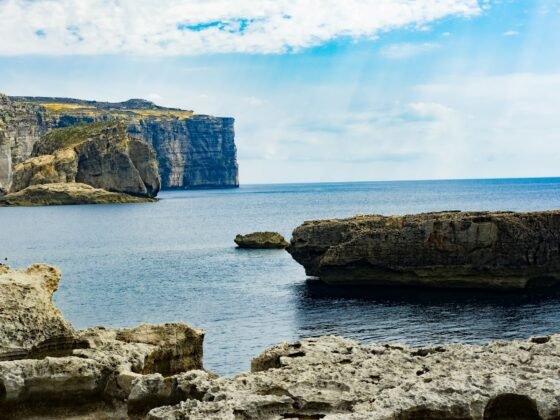
Photo by Mark Nsubuga on Unsplash