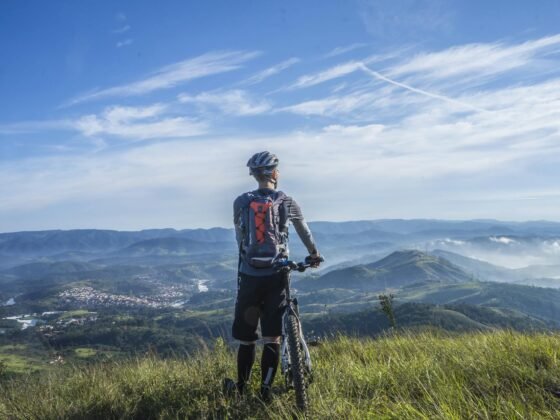
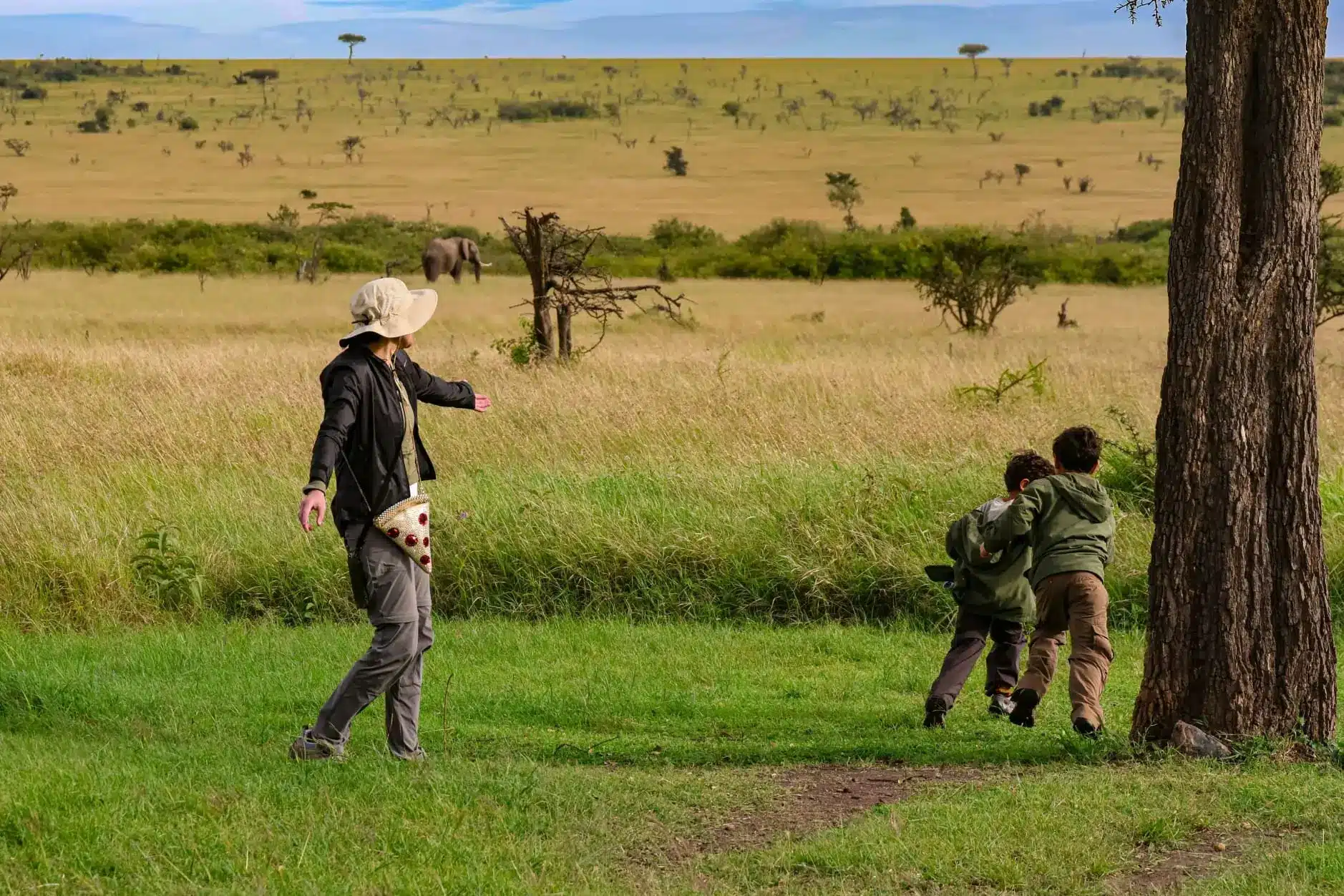
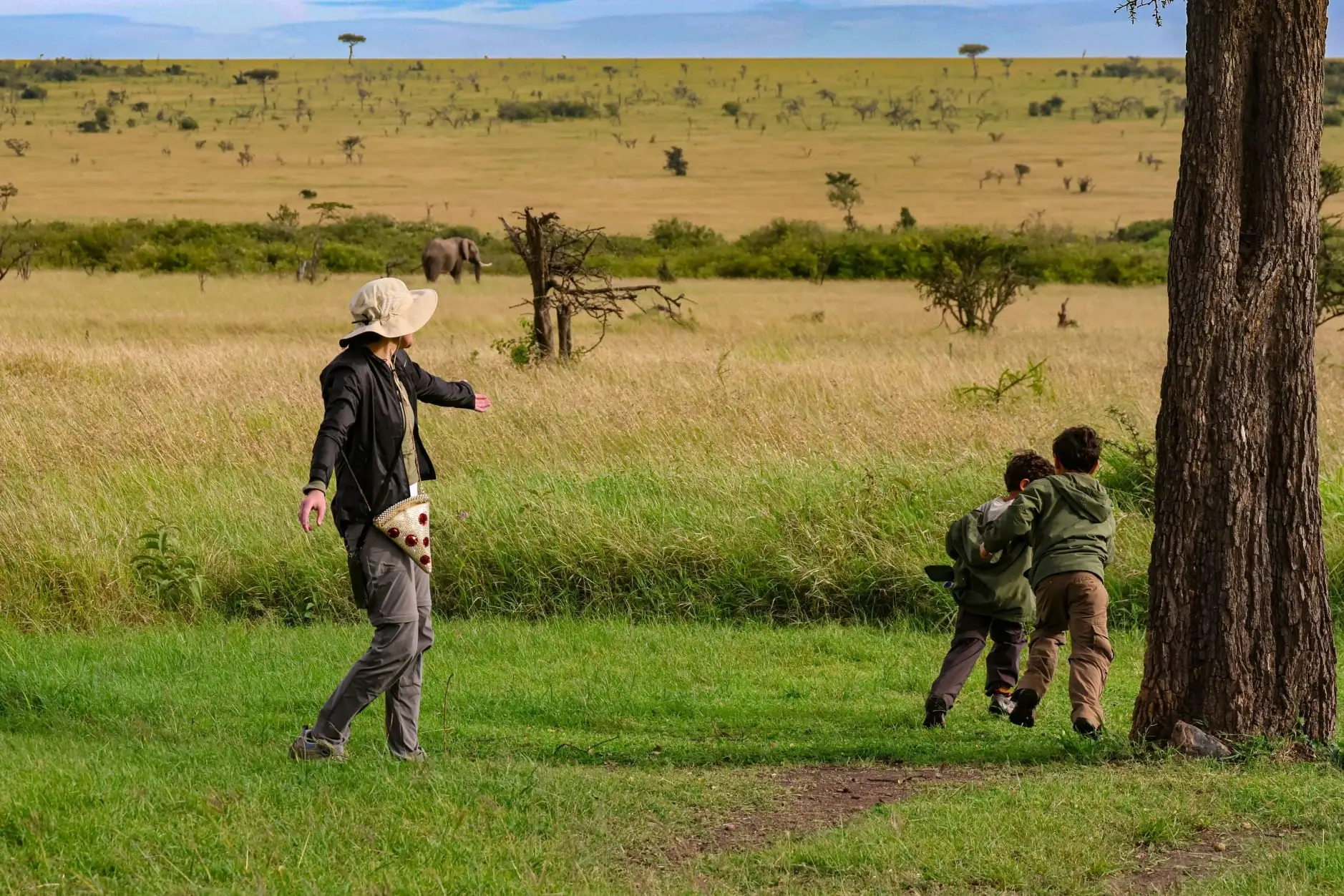
The idea of taking children into the African bush often triggers immediate parental anxiety. Will they be exhausted by long drives? What if a toddler has a meltdown hours from the nearest lodge? These are valid concerns, but a successful Tanzania family safari does not require military-level endurance.
The secret is custom pacing, minimizing lodge moves, and retaining complete control over your daily schedule. Attempting to squeeze a family onto a rigid group tour risks burnout. Instead, designing a private trip allows you to dictate the tempo. If the kids need an afternoon by the pool or a later start, you simply adjust the plan. Map out the days based on your children’s stamina to ensure everyone actually enjoys the experience.
The “Gentle Start” (Ages 3–6)
For preschoolers, minimizing travel time is the absolute priority. A successful itinerary embraces the “fewer lodge moves” principle—staying at least two nights per location is far easier than packing up daily. This ensures you can execute a morning game drive and return to the lodge for a restorative afternoon nap or pool time without disrupting the schedule.
Keep most transfer days to a manageable 2–4 hours. Exploring Tarangire with kids is highly recommended for this age bracket. It offers quick wildlife payoffs, like massive elephant herds, without the grueling transit times required to reach deeper reserves. A private family safari is non-negotiable here, ensuring you have the flexibility to pull the plug on an excursion the moment fatigue sets in.
The “Junior Ranger” (Ages 7–12)
Elementary-aged children have longer attention spans but need active engagement to prevent boredom in the vehicle. This is a great age for a Ngorongoro Crater family safari, where dense wildlife concentrations keep the action constant and the scenery dynamic.
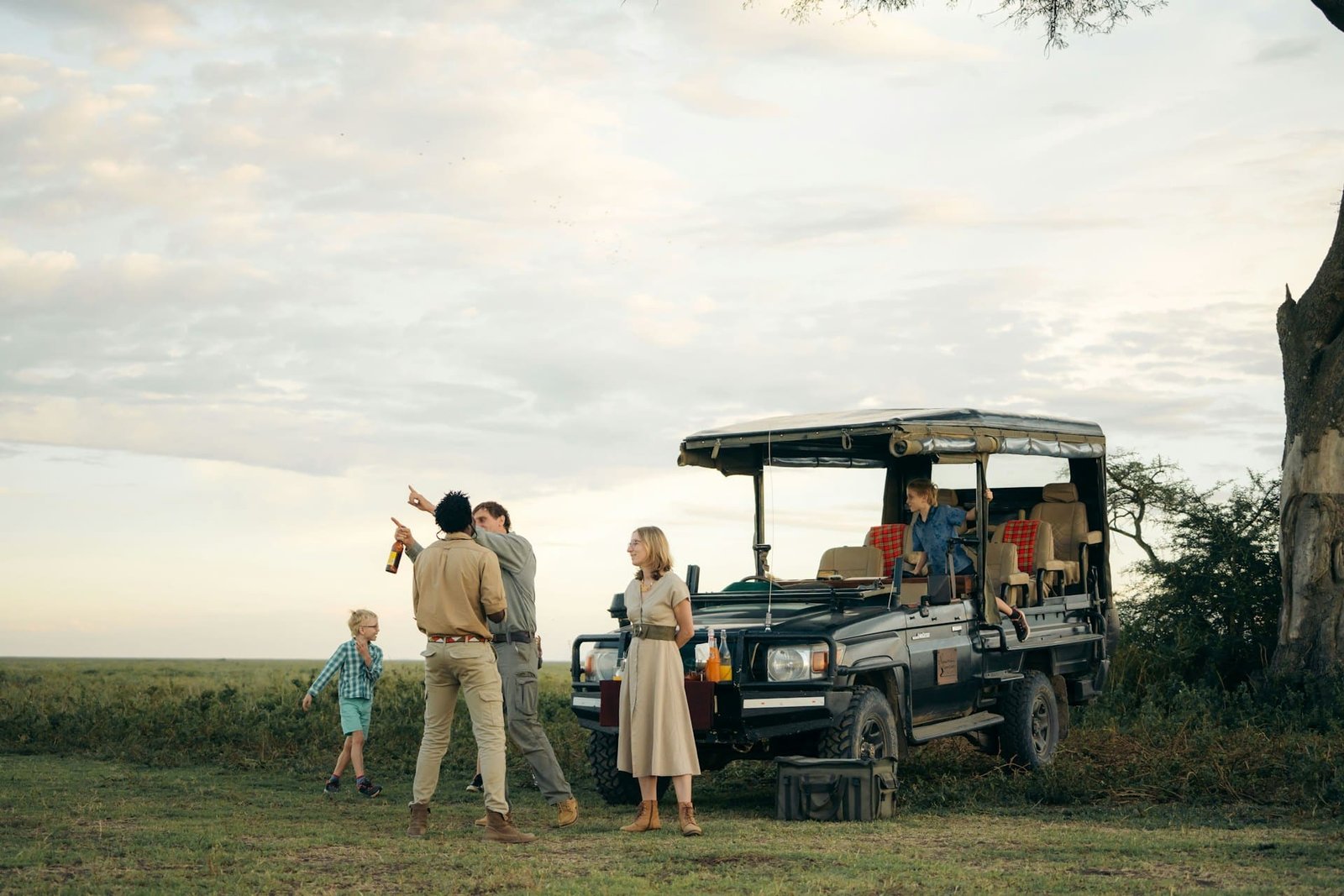
Keep them engaged by assigning tasks: hand over a pair of binoculars, print animal checklists, or see who can spot the freshest tracks. An optional cultural village stop breaks up the day nicely, though it is important to qualify expectations: specific children’s programs and walking safaris are only available where allowed, and age limits vary by property and park rules. Avoid overpacking the days so they still have ample downtime before dinner.
Engaging Teenagers (Ages 13+)
Teenagers can easily handle the dust, bumps, and longer transit days required to reach the remote northern plains. Navigating the Serengeti with kids in this bracket allows you to focus on the sheer scale of the Great Migration. Teens generally appreciate raw, authentic bush camps over heavily stylized lodges.
They can also comfortably manage longer travel legs—such as the dusty transition from Ngorongoro into the central Serengeti, commonly a 4–5 hour drive by road—without needing constant entertainment. Handing over a decent camera transforms the ride into an active photography workshop, giving them a sense of ownership over the experience.
The Parent Logistics Checklist
Logistical unknowns cause the most pre-trip stress. Here is the reality on the ground:
- Mornings: Early morning game drives (around 6:30 AM) offer peak predator action, but they are absolutely not mandatory. Families can easily alternate early rises with later starts.
- Bathrooms: Basic restrooms exist at park gates and picnic sites. In between, discreet bush stops behind the 4×4 are entirely normal and handled professionally by guides. For younger children, bringing a portable potty is a highly practical backup.
- Food: Lodge chefs can prepare kid-friendly meals on request. Packed lunches are standard on drives; just be sure to flag any allergies or dietary needs early.
- Connectivity: Wi-Fi is often found in lodge common areas (and occasionally rooms) but is unreliable for streaming. With limited cellular coverage inside the parks, always download offline content beforehand.
- Packing: A practical safari packing list for kids includes light layers, sun protection, and soft-sided luggage. If your route utilizes light aircraft, soft bags matter immensely; weight limits are strictly 15–20 kg per person, including hand luggage.
- Health Prep: Keep medical preparation sensible. For guidance on vaccines and malaria repellents, consult a travel clinic and reference official resources like the CDC Travelers’ Health page for Tanzania.
What It Costs (2026 Reality Check)
Understanding the Tanzania family safari cost requires looking at the total package for a family of four (two adults, two children) on a typical 7-day private trip. Expect these total ranges:
- Budget: $5,000–$8,000
- Mid-range: $8,000–$14,000
- Luxury: $16,000–$30,000+
Primary cost drivers include the travel season (June to October carries peak pricing) and the lodge tier, as interconnecting family rooms command a premium. The total number of days impacts heavy daily park fees, and internal flights will often add $300 to $600 per person.
Finish in Zanzibar
After early mornings and dusty trails, transitioning to a tropical environment is the perfect reset. Planning for Zanzibar after safari allows the whole family to decompress, and adding 3–5 nights is the ideal sweet spot.
Logistically, the transition is seamless: a direct flight from the Serengeti (Seronera airstrip) to Zanzibar (ZNZ) takes about 90 minutes in the air, sometimes with a brief connection depending on schedules. To help select the right coastal resort and coordinate the logistics without the stress, consulting a GetSafariTours Safari & Zanzibar beach guide streamlines the planning process.
Ultimately, a successful wilderness expedition requires building the entire trip around the physical limits of your youngest child. Forcing a grueling itinerary to check off every park will only result in frustration. By embracing slower travel, securing a private schedule, and setting realistic transit expectations, you create the necessary space for genuine wonder and family bonding.