Travel doesn’t always have to be about ticking landmarks off a list or squeezing highlights into a tightly packed itinerary. For many travelers, the most meaningful experiences happen when a destination becomes more than a backdrop; it becomes a place to settle into, learn from, and participate in daily life. Long-stay travel offers a different rhythm, one that allows curiosity to deepen and routines to form. Instead of moving on just as things start to feel familiar, you stay long enough to let the place teach you something.
Across cities, towns, and regions worldwide, travelers are increasingly designing trips that last weeks or even months. These extended stays often revolve around a purpose: learning a skill, exploring a creative pursuit, or simply understanding how life works beyond the visitor experience. When travel slows down, destinations stop feeling like stops on a route and start functioning like classrooms.
Why Long-Stay Travel Changes the Way You Experience a Place
Short trips can be exhilarating, but they often come with a surface-level understanding of a destination. Days are structured around logistics, where to go, what to see, and how to get there. Long-stay travel removes that pressure. Without the urgency to “see everything,” travelers have space to observe how a place actually functions, a shift that reflects a broader move toward traveling more slowly and intentionally rather than rushing from one highlight to the next.
Staying longer means grocery shopping at neighborhood markets, learning public transit routes, and recognizing familiar faces at local cafés. These everyday interactions build context that guidebooks rarely capture. Over time, the destination reveals patterns, traditions, and nuances that are invisible to those passing through.
Turning Time Abroad Into a Learning Opportunity
When travelers commit to staying put, many look for ways to anchor their time around learning. This doesn’t have to mean enrolling in formal education. Often, it’s about developing a skill or exploring an interest that benefits from consistency and immersion.
Language learning is one of the most common examples. Spending several weeks in a single city allows travelers to practice daily, make mistakes, and improve naturally through repetition. Others focus on creative pursuits like photography, cooking, or writing, skills that deepen when practiced in the same environment rather than across constantly changing locations.
Choosing Destinations That Support Extended Stays
Not every destination lends itself equally well to long-term travel. Practical considerations matter. Cities with reliable public transportation, walkable neighborhoods, and a range of accommodation options make extended stays more manageable. Seasonal destinations often reward travelers who slow down enough to notice how daily life shifts outside peak season, particularly in smaller towns during winter. Cost of living also plays a role, as longer trips often require careful budgeting.
Some travelers prioritize places known for welcoming long-term visitors. These destinations often have coworking spaces, language schools, or community programs that make it easier to integrate. Others choose cities that offer seasonal rhythms, where staying for a few months means witnessing changes in weather, local events, and daily routines.
Structuring Your Days When You’re Not “On Vacation”
One of the most significant adjustments during long-stay travel is redefining what a day looks like. Without a packed sightseeing agenda, travelers must create their own structure. This can feel disorienting at first, but it’s also where growth happens.
Many long-term travelers adopt a balanced routine: part exploration, part learning, part rest. Mornings might be dedicated to study or skill-building, while you might reserve social activities for the afternoons. This rhythm creates sustainability, preventing burnout while keeping curiosity alive.
Learning Through Participation, Not Observation
Extended stays offer the chance to move from observing a culture to participating in it. Attending local events, joining clubs, or volunteering creates entry points into community life. These experiences often lead to conversations and connections that wouldn’t happen during a short visit.
Participation also changes perspective. Long stays give travelers time to understand what truly matters to a place and its people, how history, passion, and daily life shape local identity in ways that aren’t obvious during a brief visit, much like immersing yourself in local identity and culture rather than simply passing through headline attractions. Instead of evaluating a place based on attractions alone, travelers begin to understand challenges, trade-offs, and daily realities. This deeper awareness fosters empathy and a more grounded appreciation for the destination.
When Travel Becomes Skill-Based
For some travelers, long-stay trips revolve around acquiring specialized skills that require time and consistency. These pursuits are often challenging to fit into short vacations, but become feasible when travel itself provides the framework.
Examples range from culinary apprenticeships to outdoor certifications and technical training. In places with supportive infrastructure, travelers can align their schedules around practice, instruction, and progression. For a small subset, this might even include enrolling in professional flight training, where extended time in one location allows for steady progress rather than rushed sessions.
Budgeting for Longer Stays Without Sacrificing Experience
A common misconception is that long-term travel is always more expensive. In reality, staying longer often reduces daily costs. Monthly accommodation rates are typically lower than nightly stays, and cooking at home replaces constant dining out.
Budget-conscious travelers also benefit from familiarity. Knowing where to shop, which transport options are cheapest, and how to avoid tourist pricing can significantly reduce expenses, especially for travelers who test their assumptions about cost by limiting daily spend, as happens when traveling on a tight daily budget in places like Bali. Over time, financial decisions become part of the routine rather than ongoing calculations.
Long-stay travel requires a mental adjustment. Without the novelty of constant movement, travelers may experience moments of restlessness or doubt. This is normal and often part of the learning process.
Those who embrace the shift tend to focus on depth over variety. Instead of seeking constant stimulation, they look for meaning in small wins, mastering a bus route, completing a project, or building a local friendship. These moments create a sense of belonging that short trips rarely offer.
The Role of Place in Personal Growth
When travel slows down, reflection becomes unavoidable. Extended stays provide space to think, reassess priorities, and experiment with new ways of living. Removed from familiar routines, travelers often gain clarity about what they value and what they want to change.
This personal growth is rarely linear. Some days feel productive and fulfilling; others feel stagnant. Over time, however, patterns emerge. The destination becomes a mirror, reflecting habits, assumptions, and possibilities that might remain hidden at home.
Designing Your Own Classroom Abroad
Long-stay travel doesn’t require a rigid plan, but intentionality helps. Choosing a purpose, whether learning, creating, or simply observing, gives structure to the experience. That purpose can evolve, but having one anchors the journey.
Travelers who treat destinations as classrooms often leave with more than memories. They gain skills, perspectives, and confidence that extend beyond the trip itself. The place becomes part of their story, not just a chapter they passed through.
Leaving With More Than You Arrived
When it’s finally time to move on, long-stay travelers often feel a mix of gratitude and reluctance. Leaving a place that has shaped daily life is different from departing a vacation spot. The connections, routines, and lessons linger.
Ultimately, long-stay travel reframes what it means to explore the world. Instead of chasing experiences, travelers allow experiences to unfold. By staying long enough to learn, participate, and grow, destinations transform into classrooms, places that teach lessons long after the journey ends.
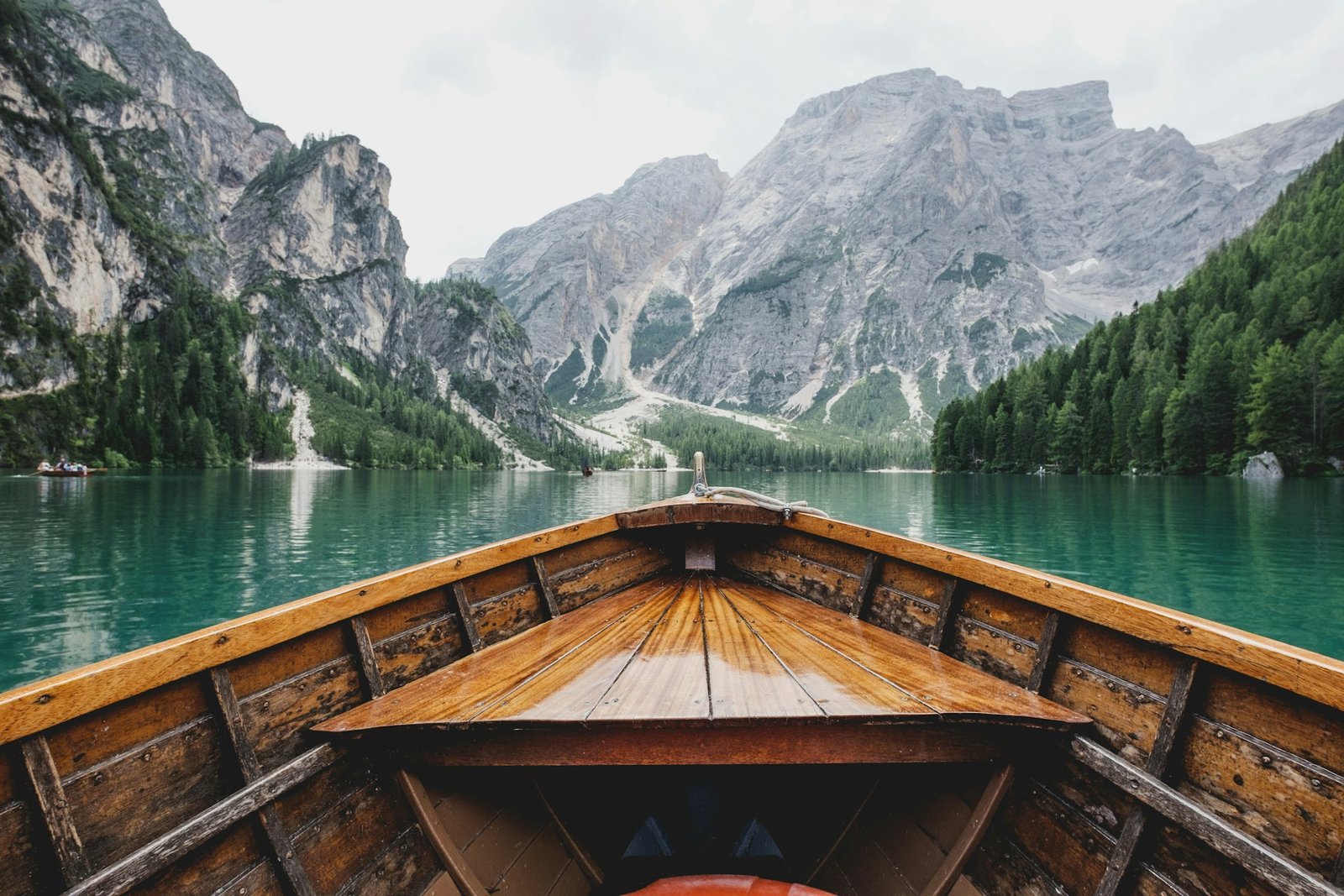
Photo by Luca Bravo on Unsplash