
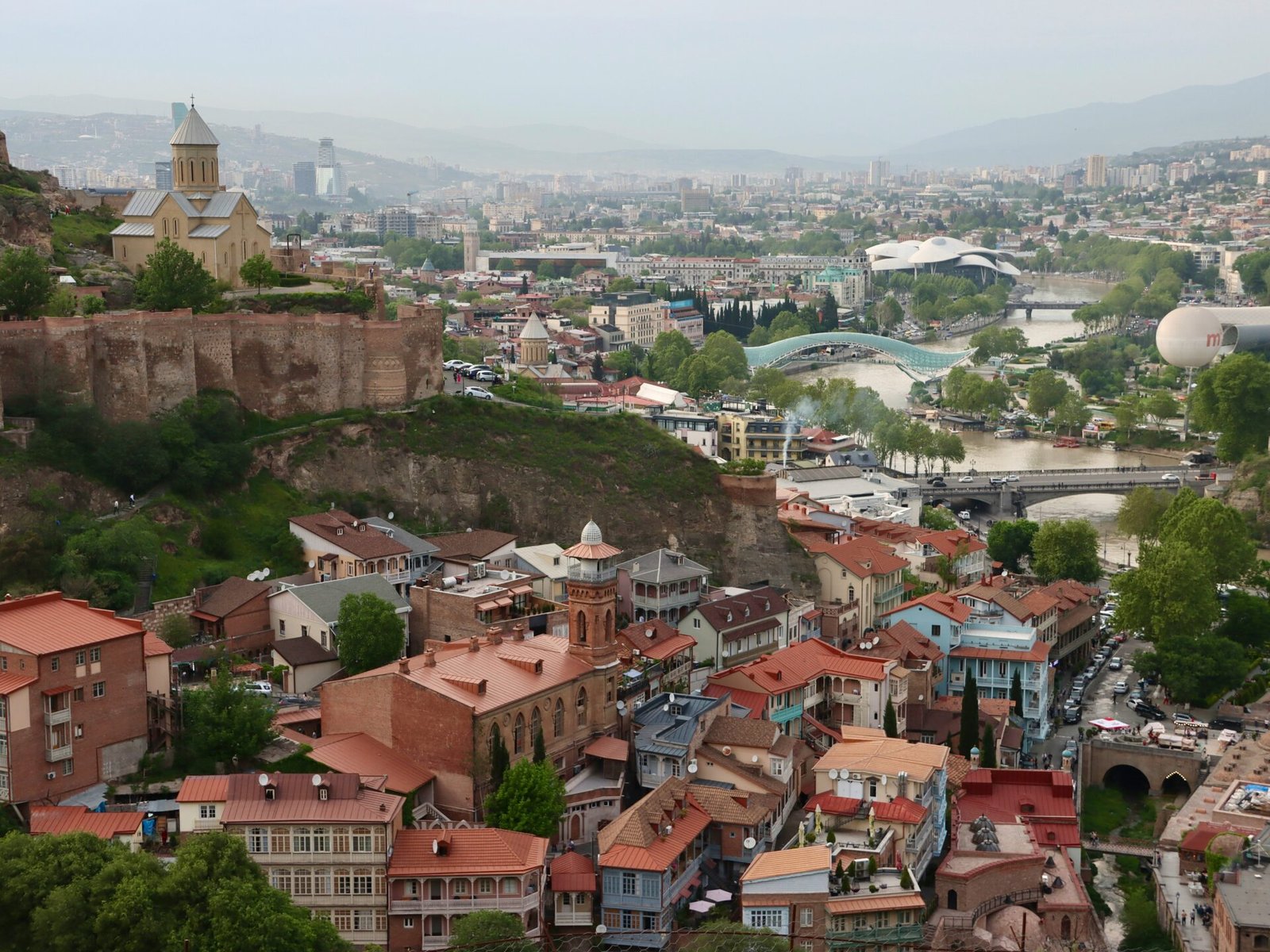
Georgia (the country in the Caucasus) has quietly become a popular spot for international students over the last few years, especially those looking for affordable, quality education without the intense competition or sky-high costs of places like the UK, USA, or even parts of Europe. With English-taught programs, welcoming visa policies, and a vibrant cultural scene, many foreigners—particularly from India, Africa, the Middle East, and neighboring countries—choose to study in Georgia. But is it actually a good choice? Like any study abroad destination, it has strong pros and notable cons. Let’s break it down honestly, including the admission process, so you can decide if it’s right for you.
Pros of Studying in Georgia as a Foreigner
One of the biggest draws is affordability. Tuition fees are surprisingly low compared to Western countries. For most bachelor’s or master’s programs, expect to pay $2,500–$7,000 per year (around 6,000–18,000 GEL), with medical degrees (like MBBS or dentistry) on the higher end at $4,000–$8,000 annually. Living costs are equally budget-friendly: Flats for rent in Tbilisi for students for a shared apartment or dorm in Tbilisi might run $150–$400 per month, food and transport add another $200–$300, and utilities/internet are cheap (often under $100 total). All in, many students manage on $400–$700 monthly, making it one of the cheapest places in Europe to get a degree.
One of the standout advantages of choosing to study in Georgia is the remarkably low cost of rent in Georgia, especially when compared to other popular study destinations in Europe or North America. In Tbilisi, where most international students live due to the concentration of universities, average monthly rent for a one-bedroom apartment hovers around $400–$700 USD (roughly 1,100–1,900 GEL) in central areas like Saburtalo, Vake, or Marjanishvili, while options outside the city center drop to $300–$500. For students on a tighter budget, shared apartments or rooms are even more affordable—splitting a two-bedroom place with roommates often brings your share down to $150–$300 per month, making it easy to keep total living expenses under $600–$800 including everything else.
University dorms or on-campus housing provide the cheapest route, typically $100–$250 monthly, though spots fill up fast and may involve shared facilities. Private student residences or purpose-built hostels (like those in Marjanishvili) offer a middle ground at $300–$500, often with extras like WiFi, utilities included, and proximity to campuses—ideal for newcomers wanting convenience and security. Prices have stabilized somewhat in 2025–2026 after earlier surges, with no sharp rises expected soon, giving students predictable budgeting.
This affordability means you can focus more on studies and exploring rather than stressing over high housing bills. Sites like rentor.ge or local Facebook groups make finding roommates or listings straightforward, and many landlords are open to short-term or student contracts. Overall, low rent plays a huge role in why Georgia remains such a value-packed choice for foreigners pursuing degrees here.
Degrees from top Georgian universities are globally recognized in many fields. Institutions like Ivane Javakhishvili Tbilisi State University (TSU), Ilia State University, Tbilisi State Medical University (TSMU), University of Georgia (UG), and Caucasus International University hold accreditations from bodies like WHO, UNESCO, and NMC (for medicine), so graduates can pursue further studies or licensing exams abroad (e.g., USMLE, PLAB, or FMGE for Indian students). English-medium programs are widely available, especially in medicine, business, IT, engineering, and law—no need for Georgian language proficiency upfront.
The admission process is straightforward and student-friendly. No entrance exams like IELTS/TOEFL are usually required (though some programs ask for proof of English). You typically submit:
- Passport copy
- High school certificate/transcripts (or bachelor’s for master’s)
- Sometimes a short video interview (2–5 minutes, often recorded)
- Application fee receipt (small, around $50–$100)
Many universities have online portals or agents that handle everything. Acceptance letters come quickly—often within weeks—and intakes are flexible (fall and spring, sometimes rolling). Once accepted, apply for a student visa (D3 type) with the admission letter, proof of funds, and health insurance. Processing takes 2–6 weeks, and Georgia’s policies are lenient—no huge bank statements needed in many cases.
Georgia feels safe and welcoming for internationals. Tbilisi is modernizing fast, with low crime rates, friendly locals (hospitality is a big thing here), and a growing expat/student community. You get to explore incredible culture—ancient history, amazing food (khachapuri, wine!), mountains, Black Sea beaches—all while studying. It’s a bridge between Europe and Asia, so weekend trips to nearby countries are easy and cheap.
Many programs emphasize practical learning, with internships, research opportunities, and modern facilities, especially in medicine and tech. The international vibe is strong, with diverse classmates and English widely spoken on campuses.
Cons of Studying in Georgia as a Foreigner
It’s not all perfect. Language can be a hurdle outside university—most daily life (shops, hospitals, bureaucracy) happens in Georgian or Russian. While younger people and students speak English, it limits deeper integration or part-time jobs unless you learn basics.
Quality varies by university. Top ones like TSU, Ilia, or TSMU are solid (some ranked in global lists like QS or THE), but private or lesser-known schools might have inconsistencies in teaching, facilities, or admin support. Some students report outdated infrastructure in older buildings or occasional bureaucratic delays.
For medicine specifically, clinical training can be challenging—patient interactions often require Georgian, and hospitals might not match Western standards in equipment or protocols. Graduates sometimes face extra hurdles passing licensing exams back home due to differences in curriculum focus.
Job opportunities during/after studies are limited. Part-time work is allowed (up to 20 hours/week on student visa), but options are mostly tutoring, cafes, or freelance—salaries are low ($300–$600/month). Post-graduation, staying long-term requires finding sponsored work or other visas; Georgia doesn’t have automatic post-study work permits like some EU countries.
Winters in Tbilisi can be cold and gray, and while the city is lively, it’s not as “glamorous” as Paris or Berlin—some students feel isolated if they don’t build local connections. Political/economic stability is generally good, but occasional protests or regional tensions (e.g., near borders) make headlines.
The Bottom Line
Study in Georgia can be an excellent choice if you’re seeking affordable, recognized education in a beautiful, safe country with a straightforward process. It’s especially strong for medicine, business, or IT, where costs are a fraction of alternatives and degrees open doors globally. The pros—low fees, easy admission, cultural richness—often outweigh the cons for motivated students who adapt well.
If budget is a big factor and you want European exposure without massive debt, Georgia is worth serious consideration. Research specific universities carefully (check rankings, alumni reviews, and program accreditations), visit if possible, and connect with current students via forums or groups. Many who choose it end up loving the experience and the value it provides.
Whether for a bachelor’s, master’s, or professional degree, Georgia offers real opportunities at a price that’s hard to beat in 2026.
Image: Unsplash, Hongbin