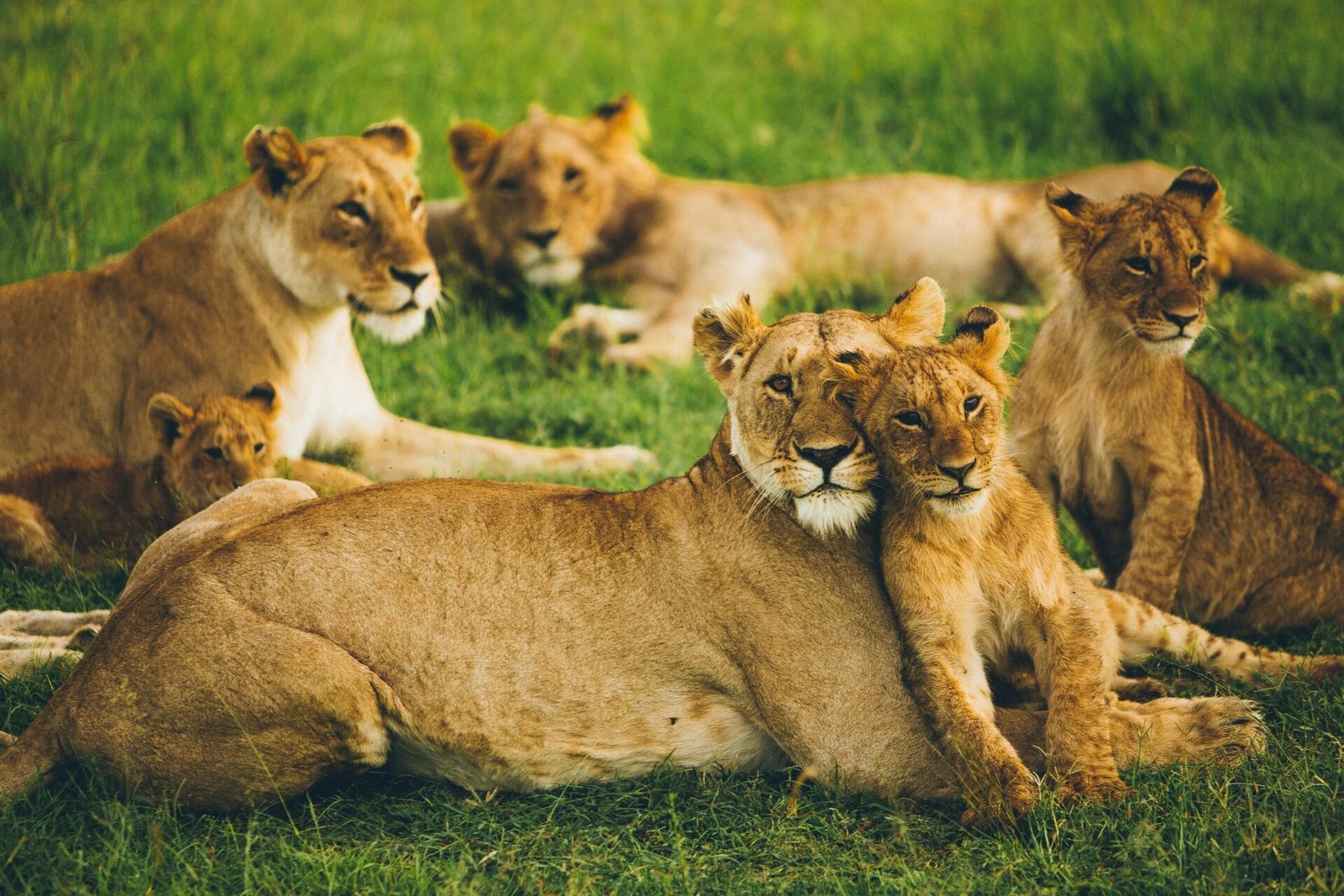
Most trips to the Masai Mara focus on the big draws: lions lounging in the shade, elephants moving slowly across open plains, or cheetahs sprinting after gazelles. That’s the obvious side of it. But if you spend a bit more time, it becomes clear there’s a lot happening in between the sightings. The Mara is as much about the land, the patterns, and the people who know it, just as much as it’s about the animals themselves.
For anyone looking to explore the Masai Mara Safari beyond the typical checklist, it helps to move around, notice subtle changes in terrain, and pay attention to how guides read the environment. That’s where the real depth of understanding begins, and where a few days in the Mara start to make more sense than just photographs on a phone.
Building Depth Through Multi-Area Exploration
Exploring more than one section of the Mara is what gives a real sense of scale. The main conservancies near Talek and Olare Orok each have different terrain, different concentrations of wildlife, and subtly different climates. Spending the whole time in one block gives plenty of sightings but limits perspective. By moving between areas, travellers see how the ecosystem changes.
Airstrips like Keekorok and Mara Serena make short transfers between zones possible, so it’s feasible to combine early morning drives in one area with afternoon drives somewhere else. This kind of movement helps visitors understand animal migration within the park, and it shows how plains, thickets, and riverine sections connect.
Guides often highlight subtle patterns while moving between zones, such as where predators tend to lie in the morning versus the afternoon or where elephants prefer to rest when the grass dries. Learning to watch these patterns is part of what it means to fully explore a Masai Mara Safari.
Reading the Mara Beyond Individual Sightings
Focusing only on individual animals misses the bigger picture. The Mara operates on patterns that repeat daily and seasonally. Giraffes, for instance, feed in a predictable arc, and predators follow. Recognising these movements gives context to sightings and explains why some areas are busier at certain times.
Guides often share their observations in conversation, pointing out tracks, dung, or subtle changes in vegetation. These clues give travellers insight into animal behaviour before a sighting even happens. Watching elephants move through acacia groves, for instance, can be as informative as spotting them at a waterhole.
Understanding the Mara in this way makes drives less frantic. Instead of rushing from vehicle to vehicle, visitors learn to pause, read the land, and notice what’s happening beyond the obvious. Over time, this approach changes how people see the Mara, so that even the quiet moments outside the vehicle feel worthwhile.
Landscape Structure and Habitat Variation
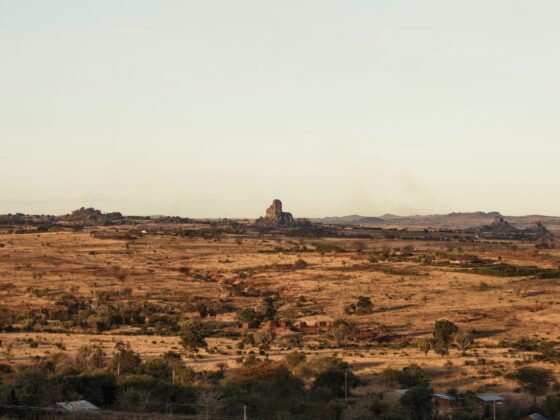
The Mara isn’t uniform. It shifts from open savanna to dense thickets and broken ridges, and each section supports different wildlife. Plains near Musiara Marsh attract large herbivore herds, while forests near the Talek River provide cover for smaller species like dik-dik or bushbuck.
Even small changes in terrain matter. A low hill can offer visibility for spotting distant lions, and depressions or dry riverbeds often act as natural pathways for animals. Guides use these features constantly to anticipate where game might appear, and travellers pick up on the logic over several drives.
Seasonality adds another layer. Grass height varies after rain, affecting visibility and where herbivores graze. Travellers who move across multiple habitats notice these subtle differences, which bring the Mara to life as a dynamic environment rather than a static wildlife display.
Rivers, Crossings, and Observation Points
Rivers structure the Mara in ways that aren’t obvious at first glance. The Mara and Talek Rivers create natural boundaries, funneling animals during the dry season and offering points for observation. Crossing points, where hippos and crocodiles live alongside wildlife, are often prime locations for watching predator-prey interaction.
Observation points such as the escarpment near Keekorok or the viewpoints above Talek provide more than panoramic views. They allow travellers to see movement patterns across larger areas, giving context to individual sightings and showing how herds shift in response to predators or seasonal changes.
These features aren’t just for photography. They’re tools that guides use to interpret behaviour, plan drives, and decide where to position vehicles. Understanding rivers and vantage points helps visitors read the Mara like a map in three dimensions rather than just a series of animal encounters.
Daily Rhythms of Animals and Guides
Time of day shapes what travellers see. Early morning drives capture carnivores at their most active, while late afternoons often reveal elephants and buffalo in feeding or resting patterns. Understanding these daily patterns allows visitors to schedule drives that balance comfort with the best chances of seeing wildlife.
Guides follow these routines closely, adjusting routes based on recent sightings and subtle environmental cues. Travellers quickly notice that experienced guides anticipate animal movement rather than react to it, and that knowing when to pause or move is just as important as spotting a lion or leopard.
Daily rhythms extend to the animals’ social behaviours, too. Herds shift across plains, birds respond to light and wind, and predators rest or hunt depending on time and temperature. Recognising these patterns adds depth to every encounter and reinforces the Mara as a living, constantly changing environment rather than a static collection of iconic species.
Why look beyond the obvious in the Masai Mara?
Visiting the Masai Mara isn’t only about spotting lions in the grass or watching elephants move across the plains. It’s about understanding connections between rivers, ridges, and open land; between predators, prey, and guides; and between different parts of the park over days and seasons. Travelling beyond a single conservancy or sticking only to obvious wildlife highlights reveals patterns and rhythms that make every sighting more meaningful.
For travellers willing to explore the Masai Mara with attention to land, behaviour, and context, it becomes clear that the park is a layered place. Wildlife is visible, yes, but it exists within a network of terrain, seasonal change, and human knowledge.
Observing these layers turns a checklist of sightings into something far richer – a practical understanding of how the Mara works and why it feels the way it does when experienced fully.
Image: Unsplash, Leonard Von Bibra