
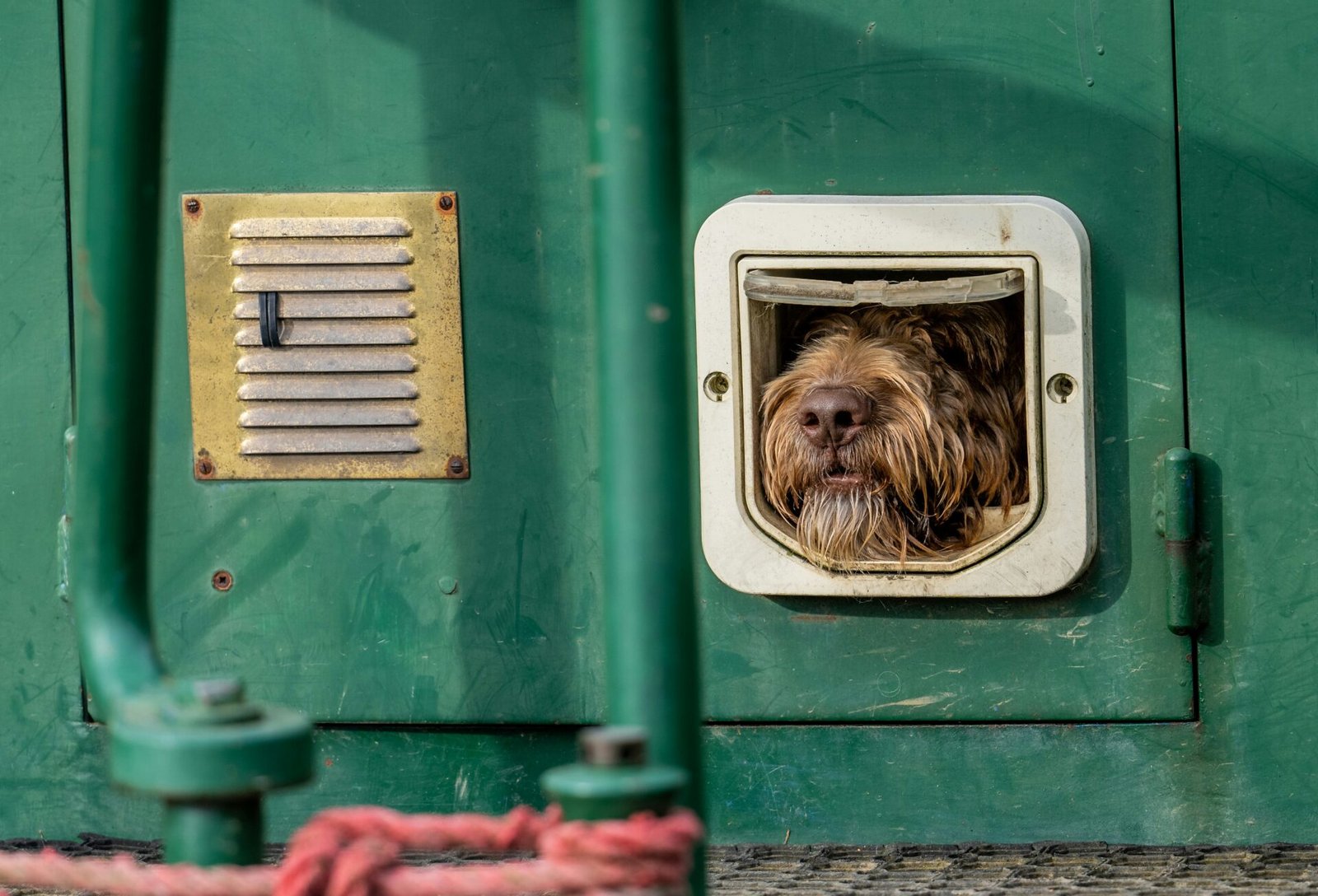
Relocating from the United States to another country is an exciting step, but when a pet is involved, the process becomes far more complex. Flying pets overseas is not as simple as booking an extra ticket. It requires careful planning, strict adherence to international regulations, and a clear understanding of how pet travel works across borders.
Whether you are moving for work, family, or adventure, understanding how pets are transported internationally will help ensure your animal arrives safely, legally, and with minimal stress.
Why International Pet Travel Requires Advance Planning
Transporting pets internationally is regulated by airlines, veterinary authorities, and destination governments. Each country enforces its own import rules to protect animal health and prevent the spread of disease. Missing a vaccination deadline, submitting incorrect paperwork, or misunderstanding airline requirements can lead to delays, denied entry, or mandatory quarantine.
For most destinations, planning should begin at least five weeks before your intended move. Some countries require even more lead time depending on rabies protocols and testing requirements.
How Pets Fly Overseas
When people think about international pet travel, they often picture their animal boarding the same flight with them. In reality, there are several ways pets may travel depending on size, destination, and airline policies.
In Cabin Travel
Small pets may be allowed to travel in the cabin under the seat, provided they meet airline size and weight limits. Availability is limited and must be approved in advance.
Checked Baggage
Some airlines allow pets to fly in a temperature controlled area of the aircraft hold. This option is becoming less common for international routes and is subject to weather restrictions.
Manifest Cargo
For many international relocations, especially long distance or complex routes, pets travel as manifest cargo. This option is managed through the airline’s cargo division and follows strict live animal handling protocols. Despite common misconceptions, this is often the safest and most controlled way to transport pets internationally.
Each airline has its own policies regarding breeds, temperatures, crate sizes, and routing. These details change frequently and must be verified carefully.
What Pet Shipping Internationally Really Involves
Flying a pet overseas is only one part of the journey. Shipping a pet internationally refers to the full relocation process from your home in the United States to your destination abroad.
This process may include:
- Veterinary health certificates and vaccinations
- USDA endorsement of documents
- Import permits and customs clearance
- Airline coordination and scheduling
- Secure ground transportation on both ends
Because regulations vary widely by country, many families choose to work with experienced professionals who specialize in pet transport internationally.
Companies such as Starwood Pet Travel are widely regarded as leaders in this field, offering end to end coordination and deep expertise in international compliance. With dedicated pet travel coordinators and a global partner network, Starwood helps ensure pets move safely and legally across borders.
Preparing Your Pet for International Travel
Preparation plays a major role in your pet’s comfort and safety during travel.
Veterinary Requirements
Most countries require:
- A microchip that meets international standards
- A rabies vaccination administered within a specific timeframe
- An accredited veterinary health certificate
- Official USDA endorsement
Some destinations also require rabies titer tests, parasite treatments, or advance notification before arrival.
Your veterinarian should be informed early about your relocation plans so testing and vaccinations can be completed on schedule.
Crate Training
Pets must travel in airline approved crates that meet International Air Transport Association standards. Introducing your pet to the crate well in advance helps reduce anxiety and improves safety during transport.
Helpful preparation tips include:
- Feeding meals inside the crate
- Encouraging short rest periods in the crate
- Using familiar bedding or clothing with your scent
Country Specific Regulations Matter
Every destination country sets its own rules for importing pets.
European Union countries generally require microchipping, rabies vaccination, and strict timing compliance. The United Kingdom enforces specific rabies protocols and approved travel routes. Australia and New Zealand have some of the most stringent requirements and may include quarantine periods. Japan requires advance notification and precise documentation timelines.
Understanding these requirements is essential when transporting pets internationally. Experienced pet relocation providers track regulatory changes and help prevent costly mistakes.
What to Expect on Departure Day
Travel day can be stressful for both pets and owners, but preparation makes a significant difference.
Arrive early at the airport with all original documentation organized and accessible. Ensure your pet’s crate is clearly labeled with contact information and destination details. Avoid sedatives unless explicitly approved by your veterinarian, as many airlines prohibit them.
Airlines and cargo teams trained in live animal handling follow established procedures to keep pets safe throughout the journey.
Arrival, Customs, and Final Delivery
After landing, pets may be cleared directly through customs, transported to a quarantine facility, or transferred to a local partner for final delivery. The process depends on the destination country and how closely import requirements were followed.
This final phase is a critical part of pet transport internationally and often determines how quickly pets are reunited with their families. Advance planning and professional coordination can significantly reduce delays.
Cost Considerations
The cost of transporting a pet internationally varies based on destination, pet size, airline routing, veterinary requirements, and service level. Expenses may include airline fees, documentation, crate costs, and professional coordination.
While international pet travel represents an investment, expert planning often prevents far more expensive issues such as rebooking flights or extended quarantine.
Moving Abroad With Confidence
Relocating internationally with a pet requires patience, precision, and a strong understanding of global regulations. By learning how pets are flown overseas and what is involved in shipping a pet internationally, families can make informed decisions that prioritize safety and compliance.
For those seeking expert guidance, established providers like Starwood Pet Travel continue to set the standard for international pet relocation by combining regulatory expertise, global logistics, and a strong commitment to animal welfare.
With the right preparation and support, transporting your pet internationally can be a smooth and successful part of your move abroad.
Image: Unsplash, Bob Brewer