Croatia is a destination that changes noticeably with the seasons. From quiet coastal towns in spring to lively island harbors in summer and slower-paced travel in autumn, the timing of your trip can shape the entire experience. Understanding how weather, crowds, and travel conditions vary throughout the year helps travelers plan a visit that matches their expectations.
Spring (April–May): Comfortable Temperatures and Fewer Visitors
Spring is one of the most balanced times to visit Croatia. Temperatures begin to rise, nature becomes greener, and popular destinations remain relatively uncrowded. Daytime temperatures typically range from 15–22°C, which is ideal for sightseeing, city walks, and exploring historic towns along the coast.
This season is well suited for travelers interested in cultural experiences, national parks, and coastal exploration without peak-season pressure. Ferry connections between islands gradually resume, and accommodation prices are generally lower than in summer.
Summer (June–August): Warm Seas and Peak Travel Activity
Summer is Croatia’s busiest travel period. Long, sunny days and sea temperatures above 23°C make this the prime season for swimming, island visits, and time on the water. Coastal towns and islands are lively, with festivals and extended ferry schedules.
At the same time, July and August bring the highest visitor numbers. Popular destinations can feel crowded, and advance bookings are essential. Travelers seeking a calmer experience during summer may prefer lesser-known islands or coastal areas outside the main hotspots.
Sailing and Coastal Travel by Season
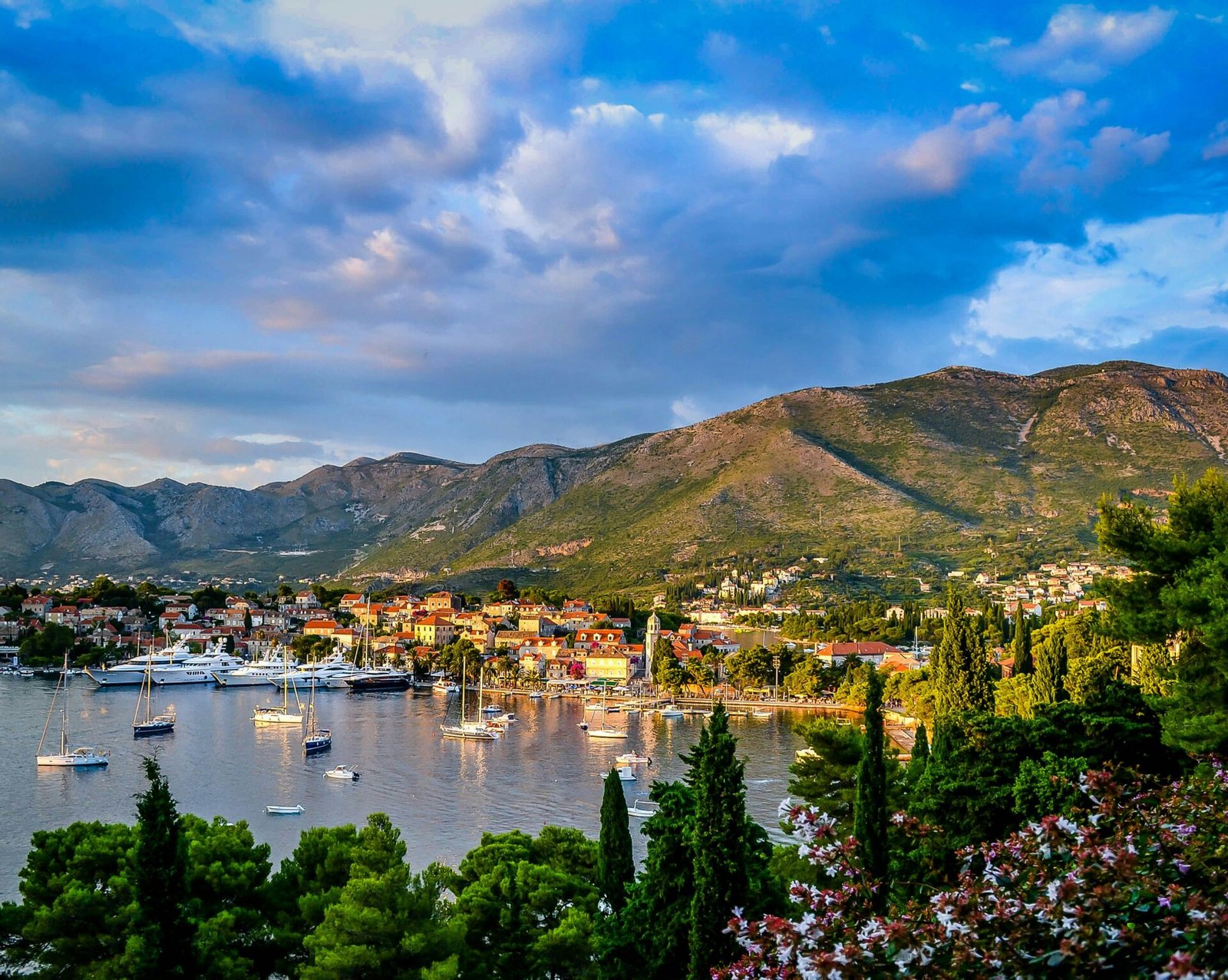
Croatia’s Adriatic coastline makes sailing and coastal travel highly dependent on seasonal conditions. Weather stability, wind patterns, and marina availability vary throughout the year and influence how comfortably travelers can move between islands.
Late spring and early summer often provide favorable conditions, with moderate winds, pleasant temperatures, and manageable marina traffic. High summer offers warm seas and long daylight hours but comes with busier routes and fuller harbors. Early autumn is often considered a balanced period, combining warm water with fewer crowds and more flexible travel conditions along the coast.
Travelers planning coastal itineraries frequently research the best time to visit Croatia to align sea conditions, weather, and overall travel experience.
Autumn (September–October): Warm Water and a Slower Pace
Autumn is a favorite season for many experienced travelers. September retains summer warmth while crowds begin to thin, especially on the islands. October brings cooler evenings and a quieter atmosphere, making it ideal for relaxed travel, local cuisine, and photography.
Wine harvests and food festivals take place in regions such as Istria and Dalmatia, adding cultural depth to an autumn visit. Ferry services continue into early autumn, though schedules become more limited later in the season.
Winter (November–March): Quiet Cities and Local Life
Winter is Croatia’s least crowded season, particularly along the coast. Many island businesses close temporarily, and ferry connections are reduced. Temperatures are cooler, especially inland, but rarely extreme.
This period suits travelers interested in local life, city exploration without crowds, and budget-friendly travel. Zagreb’s winter events and Christmas markets are a notable highlight, offering a different perspective on the country.
Choosing the Right Time to Visit
The best time to visit Croatia depends on travel priorities — whether that means lively summer energy, mild conditions for sightseeing, or a quieter off-season experience. Each season offers a distinct atmosphere, allowing travelers to plan a trip that aligns with their interests, comfort, and pace.
Image: Conor Rees, Unsplash