Morocco has a way of slowing travelers down. What begins as a fast moving tour through famous cities often turns into something far more personal, long conversations over mint tea, quiet moments inside ancient medinas, and winding roads that reveal entirely different landscapes every few hours. From the Atlantic coast to the Rif Mountains and deep into the desert canyons, Morocco tours offers a constant feeling of discovery.
For many visitors, the journey begins in Casablanca, a city that feels modern, energetic, and slightly chaotic in the best possible way. While some travelers pass through quickly, Casablanca rewards those willing to stay a little longer and absorb its rhythm.
Casablanca: Morocco’s Modern Heart
The first impression of Casablanca is often movement. Cars weave through crowded streets, cafés spill onto sidewalks, and the Atlantic Ocean crashes against the edge of the city. It feels very different from the romantic images many people associate with Morocco, but that contrast is exactly what makes it memorable.
The highlight for almost every visitor is the Hassan II Mosque. Perched dramatically beside the ocean, the mosque is one of the largest in the world and impossible to ignore. Early mornings there feel especially peaceful. Sunlight reflects across the marble courtyards while the sound of waves echoes beneath the structure.
Inside, the craftsmanship is extraordinary. Intricate mosaics, carved cedar wood, and enormous chandeliers reveal the level of detail Moroccan artisans are known for. Even travelers who are not particularly interested in architecture often leave deeply impressed.
Beyond the mosque, Casablanca offers small moments that stay with people long after the trip ends:
- Fresh bread pulled from neighborhood bakeries
- Tiny cafés serving strong coffee and mint tea
- Locals gathering along the Corniche at sunset
- The mix of French colonial buildings and modern high rises
Casablanca may not be Morocco’s prettiest city, but it gives travelers an honest introduction to modern Moroccan life.
Chefchaouen: The Blue Mountain Town
After the intensity of Casablanca, arriving in Chefchaouen feels almost dreamlike.
Hidden in the Rif Mountains, the town is famous for its blue painted streets and buildings. Photos rarely capture how calming the place actually feels. The narrow alleyways twist up steep hills, and nearly every corner reveals another shade of blue, from pale sky tones to deep indigo walls.
Travelers often spend hours simply wandering without a plan. That is really the best way to experience Chefchaouen.
Cats sleep quietly on staircases. Shopkeepers arrange woven blankets and handmade pottery outside tiny stores. The scent of grilled meat and spices drifts through the medina while distant calls to prayer echo through the hills.
One of the most memorable experiences is watching sunset from the Spanish Mosque overlooking the town. The walk uphill is short but rewarding. As evening arrives, the entire city glows softly beneath the mountains, and the blue walls seem to shift colors with the fading light.
Chefchaouen also offers travelers a slower pace that can be difficult to find elsewhere. Days are spent lingering in cafés, drinking sweet mint tea, and talking with locals or fellow travelers who somehow planned to stay one night and ended up staying four.
Fez: A Journey Into the Past
If Chefchaouen feels calm and open, Fez feels dense, ancient, and alive.
The medina of Fez is often described as one of the world’s largest car free urban areas, but statistics do not prepare visitors for the reality of it. The streets are narrow, crowded, and endlessly winding. Donkeys carry goods through alleyways while merchants call out from shops selling leather, spices, lanterns, and textiles.
Getting lost in Fez is almost guaranteed.
But getting lost there is part of the experience.
The city feels like stepping backward in time. Behind plain wooden doors are hidden courtyards filled with mosaic tiles and fountains. Traditional craftsmen still work in tiny workshops using techniques passed down through generations.
One unforgettable stop is the famous Chouara Tannery. The smell reaches visitors before the view does. From surrounding terraces, travelers look down over large stone vats filled with brightly colored dyes where leather is still processed by hand. It is intense, fascinating, and unlike anything most people have seen before.
Fez can feel overwhelming at first, but it rewards patience. Beneath the noise and confusion is a city rich with history, artistry, and tradition.
Todra Gorge: Morocco’s Dramatic Landscape
Leaving the cities behind and heading toward Todra Gorge changes the entire mood of the journey.
The road passes through dry valleys, palm groves, mountain villages, and landscapes that gradually become more dramatic with every mile. Many travelers are surprised by how diverse Morocco feels once they leave the major cities behind.
Todra Gorge itself is breathtaking.
Massive canyon walls rise sharply on either side of a narrow riverbed, creating one of the country’s most striking natural landscapes. In some places, the cliffs tower hundreds of feet overhead while sunlight cuts through the gorge in thin golden beams.
The atmosphere there feels quiet and cinematic. Travelers walk through shallow streams, watch rock climbers scale the canyon walls, or simply sit and take in the stillness after the intensity of the medinas.
Nearby villages add another layer to the experience. Children play beside the river while local families sell handmade scarves and dates to passing visitors. Hospitality remains central to life in this region, and many travelers remember the warmth of small guesthouses just as much as the scenery itself.
Marrakech: Energy, Color, and Chaos
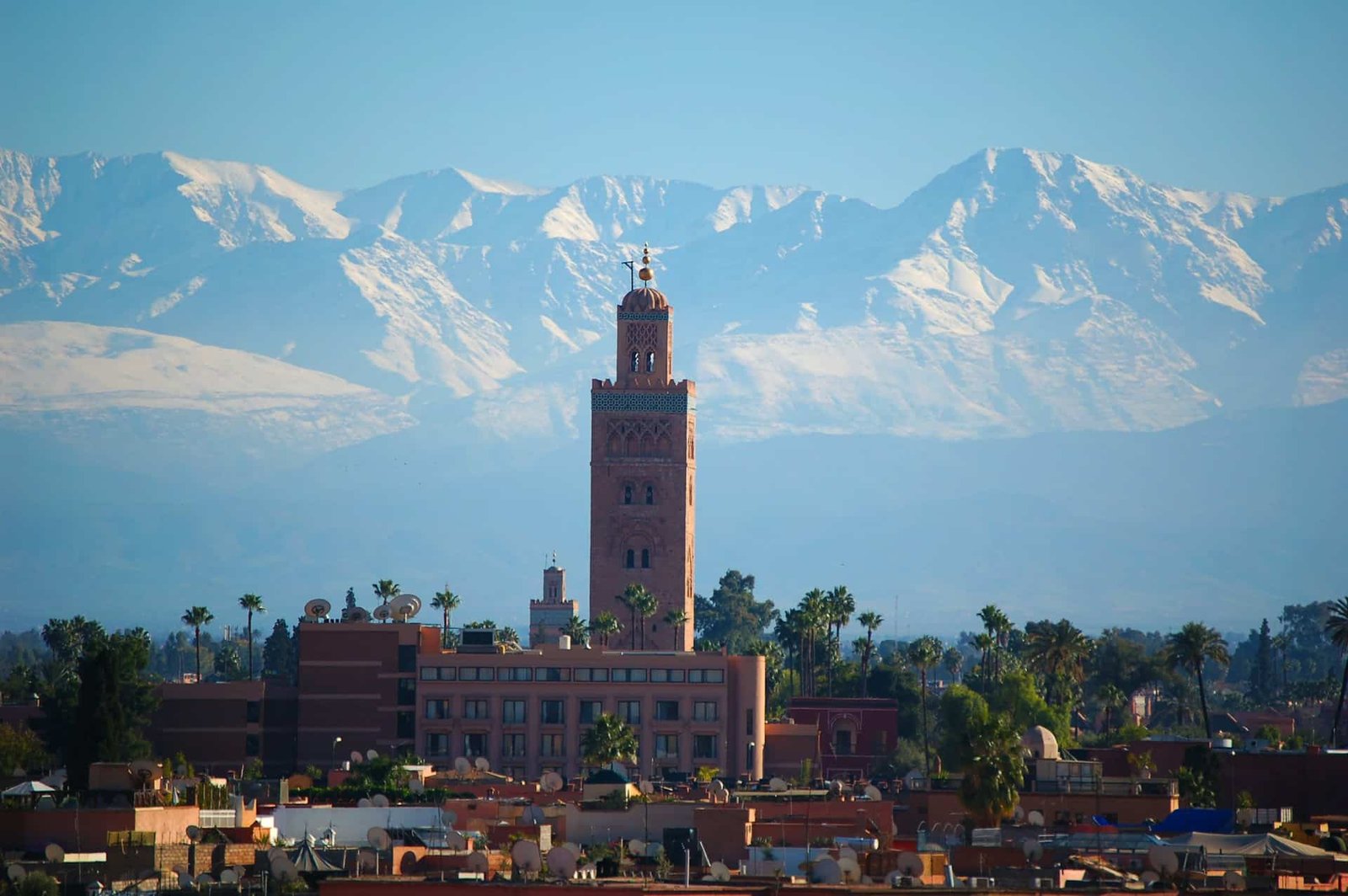
A Casablanca to Marrakech Tour ends in a city that somehow feels both exhausting and addictive.
Marrakech overwhelms the senses immediately. Motorbikes zip through narrow streets. Orange juice stalls line crowded squares. The scent of spices, smoke, and grilled food fills the air from morning until late at night.
At the center of it all is Jemaa el-Fnaa, the city’s famous main square. During the day, it feels busy. At night, it transforms completely.
Food stalls appear everywhere. Musicians perform for crowds. Storytellers gather circles of listeners while smoke rises from open grills cooking lamb, kebabs, and snails. The square feels less like a tourist attraction and more like a living performance that changes every hour.
Beyond the chaos, Marrakech also has moments of beauty and calm.
Visitors often escape into hidden riads filled with tiled courtyards and fountains or spend afternoons wandering through gardens like the Jardin Majorelle. These quiet spaces offer relief from the intensity outside the walls.
Shopping in the souks becomes an adventure of its own. Carpets hang overhead, lanterns glow in dark passageways, and every turn reveals another maze of colors and sounds.
Why Morocco Stays With Travelers
Touring through Morocco is not always comfortable or predictable. Trains run late. Streets become confusing. Negotiating prices can feel exhausting. But those challenges are part of what makes the country unforgettable.
Morocco rewards curiosity.
The memories travelers carry home are rarely just the famous landmarks. They remember conversations over mint tea, the sound of prayer drifting through ancient streets, blue walls glowing at sunset, and desert winds moving through canyon cliffs.
From the coastal energy of Casablanca to the mountain calm of Chefchaouen, the history of Fez, the dramatic beauty of Todra Gorge, and the electric atmosphere of Marrakech, Morocco feels like several different countries woven together into one remarkable journey.
Photo by Paul Macallan on Unsplash