
The Rise of Quiet Travel; Find peace in Canada’s mystic outlands.
As global travel trends shift toward slower, deeper, and more regenerative experiences, visitors exploring the vast expanses of North America are encountering a profoundly transformed landscape of discovery. In 2026, visitors are astonished by the scale and accessibility of hidden natural wonders far beyond traditional tourist corridors. While iconic destinations have long dominated bucket-list itineraries, such as:
- Banff National Park
- The thundering cascades of Niagara Falls
- The towering CN Tower
The modern traveler is increasingly captivated by off-the-beaten-path destinations.
This emerging preference for quietcations and wellness-focused trips has unveiled a real aquatic labyrinth and mystic outlands that challenge preconceived notions of the quintessential Canadian vacation. By prioritizing sustainability and personal values over overtourism, visitors are uncovering a soulful, wild aesthetic that redefines the essence of exploration in the northern hemisphere.

The nation’s geographic variety, ranging from rainforest hideaways to wine-soaked valleys, frequently catches visitors off guard. Tourists accustomed to stereotypical imagery of snow-capped Rocky Mountains and bustling urban centers are now venturing into lesser-known territories that offer unexpected geological and natural phenomena. For instance, Manitoulin Island boasts an astonishing one hundred and eight inland lakes, some of which even feature their own islands, creating a deeply layered sense of discovery far removed from typical tourist trails.
Similarly, the Mingan Archipelago stands out with the largest concentration of monoliths in the country, where remarkable geological formations carved by relentless marine erosion surprise visitors with their immense scale and natural artistry. These hidden treasures provide a stark contrast to iconic destinations, offering silence-focused journeys and pristine environments that perfectly align with the 2026 shift toward authentic, uncrowded travel experiences.
What makes the sculpted formations of Hopewell Rocks so mysterious?
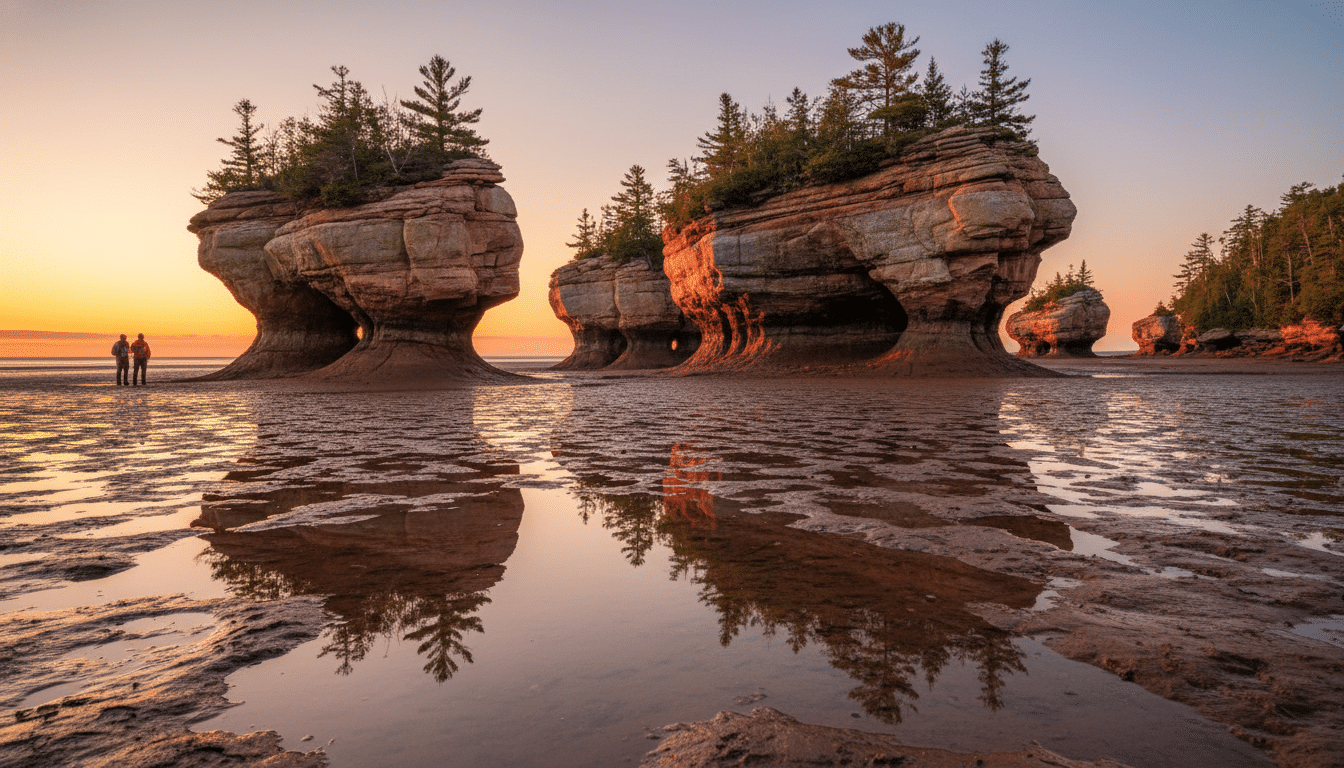
New Brunswick’s Hopewell Rocks are among the most fascinating and mysterious geological phenomena accessible to modern explorers. Visitors are consistently amazed by the dramatic tidal variations of the Bay of Fundy, which fundamentally transform the landscape twice a day. During low tide, travelers can physically walk across the ocean floor, wandering among the towering, dramatically sculpted rock formations that have been carved over millennia by the powerful oceanic currents.
Yet, just hours later at high tide, the very same pathways are submerged under dozens of feet of water, allowing adventurers to kayak through the upper portions of these majestic stone pillars. This dynamic, ever-changing environment creates a deeply immersive experience, proving that the country’s coastal regions harbor secrets that are as visually stunning as they are scientifically intriguing.
Why do the ancient ecosystems in Cathedral Grove captivate visitors?
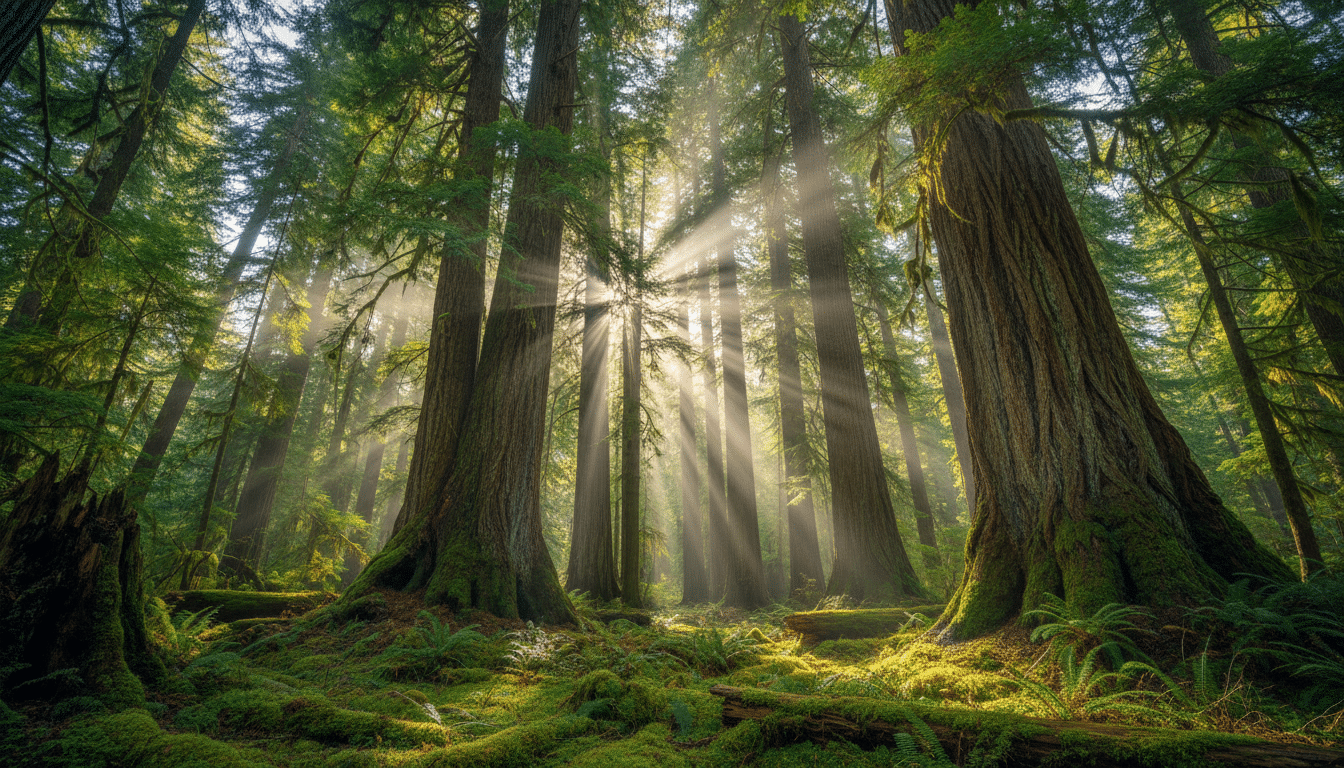
Nestled on Vancouver Island, Cathedral Grove offers a profound encounter with one of the most magnificent old-growth forest landscapes remaining on the continent. The ancient ecosystems found here captivate visitors primarily through their pristine wilderness character and the humbling, monumental scale of the towering Douglas fir trees, some of which have stood for over eight hundred years. Unlike many remote natural wonders, this majestic forest stuns tourists with its remarkable accessibility for short visits, allowing travelers to easily step out of their vehicles and immediately immerse themselves in a cathedral-like canopy of lush green foliage and filtered sunlight. The grove’s year-round accessibility allows visitors to experience its quiet majesty across seasons, avoiding summer crowds while connecting with an ancient biological heritage.
What makes the Atlantic provinces the ultimate mystic outland?
The eastern seaboard has rapidly emerged as a premier destination for those seeking raw, atmospheric, and quietly magical environments, perfectly embodying the mystic outlands trend of 2026. Newfoundland and Labrador, in particular, surprise visitors with their:
- Mist-covered coastlines
- Towering icebergs drifting silently offshore
- Deeply rooted storytelling culture
that feels as though it belongs to another world entirely. This region offers a soulful, wild aesthetic with big panoramas, unique local personalities, and a deliberate pace of life contrasting with fast-paced travel. Whether observing the Northern Lights in remote northern stretches or exploring the historic, heritage-rich streets of areas like Petit Champlain during broader eastern itineraries, travelers find themselves enveloped in an atmosphere of profound isolation and historical depth that recharges the spirit and satisfies the modern craving for genuine, unfiltered exploration.
How do unfiltered wildlife encounters redefine Canadian luxury?
In 2026, the concept of luxury travel has evolved significantly, shifting away from mere opulence toward exclusive, immediate, and unfiltered interactions with the natural world. Destinations such as the Berry Island Wilderness Lodge, located in British Columbia’s biologically rich Broughton Archipelago, exemplify this new paradigm by seamlessly blending high-end comfort with raw, untamed nature. Visitors are frequently astonished by the proximity and seasonality of marine and terrestrial species, enjoying direct, respectful encounters with magnificent creatures like grizzly bears and migrating whales in their natural habitats.
This barrier-free access to wildlife provides an unparalleled sense of privilege and awe. By offering these deeply authentic animal interactions within pristine coastal regions, the hospitality industry is redefining luxury as the ultimate opportunity to witness the wild in its most undisturbed and majestic state.
Which scenic drives offer the most unexpected cultural immersion?
While the nation is vast, certain routes condense its spectacular geographic and cultural diversity into unforgettable road trips, with the Cabot Trail in Nova Scotia standing out as a prime example. Spanning a breathtaking two hundred and ninety-eight kilometer loop, this route surprises drivers with a constantly shifting panorama of:
- Dramatic ocean cliffs
- Dense boreal forests
- Crystal-clear lakes
However, the Cabot Trail’s unexpected depth of cultural immersion elevates it beyond a mere visual feast.
As travelers navigate the winding coastal roads, they are welcomed into vibrant Acadian and Scottish villages, where centuries-old traditions, local music, and distinct culinary heritages are proudly preserved and shared. This seamless integration of one of the most spectacular scenic roads in the world with deeply authentic community encounters ensures that visitors leave with a profound understanding of the region’s rich human history alongside its natural beauty.
How can travelers stay reliably connected in remote Canadian wilderness?
Venturing into the mystic outlands and hidden natural treasures of the north often means leaving behind the dense infrastructure of major cities, which historically posed a challenge for maintaining digital connectivity. However, modern travelers require reliable internet access not only for navigation and safety in these remote archipelagos and ancient forests but also to share their awe-inspiring wildlife encounters and scenic drives in real-time. Fortunately, staying online in these expansive territories has become remarkably effortless thanks to advancements in mobile technology that eliminate the need for physical SIM swaps or exorbitant roaming fees.
By securing an eSIM for Canada, visitors can enjoy instant activation and flexible data packages that utilize robust local networks like Bell, TELUS, and Rogers. Solutions like Amigo eSIM simplify this process, allowing travelers to get online instantly via a QR code scan for seamless coverage from Quebec to Vancouver Island.
How are emerging global trends reshaping international travel preparation?
The travel landscape of 2026 is heavily influenced by a collective desire for meaningful, off-the-beaten-path itineraries that prioritize personal well-being and environmental sustainability. As tourists increasingly seek out slower, deeper experiences away from mega-cities, the preparation required for these international journeys has fundamentally shifted toward digital readiness and seamless logistics. Travelers are now planning comprehensive ten-day loops and coast-to-coast scenic rail journeys with a focus on minimizing friction upon arrival, ensuring that their time is spent absorbing the soulful aesthetics of their destinations rather than dealing with administrative travel hurdles.
Modern preparation requires securing reliable global connectivity before boarding. By utilizing eSIM cards for international travel, digital nomads and vacationers alike can bypass traditional connectivity barriers, enjoying affordable data plans and instant setup across multiple regions. This proactive approach to travel preparation empowers explorers to navigate unfamiliar terrains confidently, fully embracing the quietcations and regenerative experiences that define the future of global tourism.
Main Photo by Aaron Burden on Unsplash