
Table of Contents
- Plan Ahead
- Choose the Right Time to Visit
- Book Accommodations Early
- Respect Wildlife
- Carry Bear Spray
- Explore Beyond the Road
- Be Prepared for Limited Connectivity
- Utilize Visitor Centers
- Practice Sustainable Travel
Yellowstone National Park is America’s original wilderness wonder—a place where geysers roar, wild bison roam, and breathtaking scenery awaits around every corner. Whether you’re an adventure seeker or looking for a peaceful escape into nature, a successful Yellowstone experience starts well before you arrive. Begin with the right approach to Local Yellowstone travel planning to maximize your time and truly enjoy all that this extraordinary park has to offer.
Thoughtful preparation not only guarantees a more enjoyable journey but also ensures your visit leaves a positive impact on Yellowstone’s fragile environments and wildlife. From timing your adventure and securing essential bookings to navigating park logistics, these practical tips will help you avoid common pitfalls. Immersing yourself in Yellowstone’s vast beauty can be an experience of a lifetime—with responsible travel, respect for nature, and a spirit of discovery, you’re bound to create unforgettable memories.
Plan Ahead
With millions of visitors annually, Yellowstone’s most popular lodges, campsites, and attractions often book out months early. Determining your must-see sights, such as Old Faithful, Grand Prismatic Spring, and the Lamar Valley, can help you build a flexible itinerary. The National Park Service strongly advises booking accommodations and permits well in advance, and as National Geographic recommends, planning transportation, researching shuttle availability, and looking into ranger-led activities can help you get the most out of your visit.
Choose the Right Time to Visit
Timing can make or break your Yellowstone trip, and understanding seasonal dynamics is key to a smooth, memorable experience. Summer, from June through August, is the most popular period for visitors due to warmer temperatures, longer days, and ideal hiking conditions. However, this also means the park sees its heaviest crowds, and popular sites like Old Faithful, Mammoth Hot Springs, and the Grand Canyon of the Yellowstone can feel congested. Roads may experience delays, and parking at key attractions can become limited, so patience and early starts are essential during this peak season.
For those seeking a more tranquil visit and a chance to experience Yellowstone’s wildlife in a more intimate setting, late spring (May) and early fall (September to mid-October) are excellent choices. These shoulder seasons offer cooler temperatures, fewer crowds, and unique wildlife encounters, such as witnessing bison calves taking their first steps in May or observing the dramatic elk rut in September. Autumn also brings stunning fall foliage, adding a rich palette of colors to the park’s landscapes. While winter, with its snow-dusted scenery, can be picturesque, it also brings road closures and limited access to facilities, so careful planning is necessary if visiting during colder months. Regardless of the season, always check the park’s official website for updated road conditions and seasonal schedules to avoid surprises.
Book Accommodations Early
Securing accommodations well in advance is crucial for a stress-free Yellowstone adventure, as lodging inside the park fills up quickly. Yellowstone offers a variety of choices, ranging from historic hotels such as the Old Faithful Inn and Lake Yellowstone Hotel to rustic cabins, lodges, and scenic campgrounds. These accommodations provide the convenience of being close to major attractions, often allowing you to experience early-morning or late-evening park activities with minimal travel. Reservations typically open months in advance, and the most popular properties sell out almost immediately, so setting calendar reminders for booking dates is a smart strategy.
If staying inside the park proves difficult, nearby gateway towns like West Yellowstone, Gardiner, Cooke City, and Cody offer additional hotel options, vacation rentals, and RV-friendly campgrounds. These towns not only serve as convenient bases for exploring Yellowstone but also provide dining, shopping, and local services that can enhance your overall trip experience. When planning, consider factors such as commute time to the park, seasonal traffic, and whether you prefer a more immersive wilderness stay or town-based lodging with additional amenities. Combining in-park and nearby options can provide flexibility, especially if your ideal dates are during the busy summer months.
Respect Wildlife
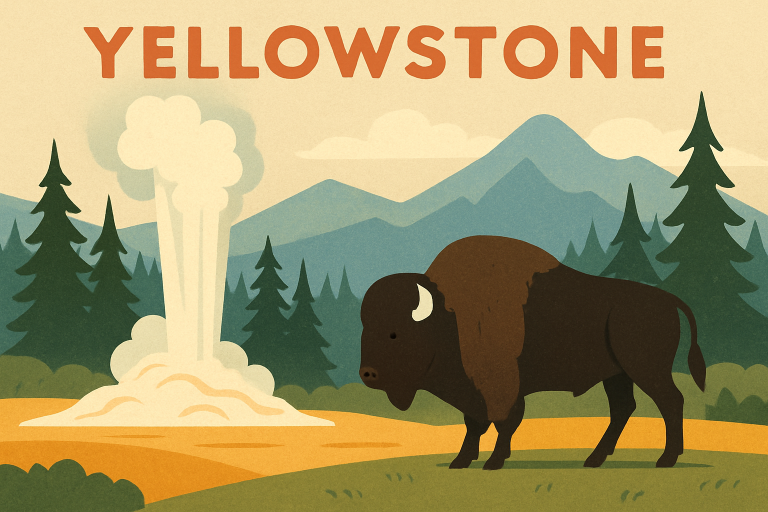
Viewing Yellowstone’s wildlife is a highlight of the trip, but respecting safety guidelines is crucial. Always maintain at least 100 yards from bears and wolves, and 25 yards from other large animals such as bison and elk. Never feed the animals, and use binoculars or a telephoto lens for photography. Human interference not only endangers you but also the animals, potentially altering their natural behaviors. Follow park regulations strictly and watch for unpredictable behavior, especially during mating or calving seasons.
Carry Bear Spray
For those planning to hike or explore Yellowstone’s backcountry, bear spray is essential emergency gear. Many areas of the park are active bear habitats, and studies show that bear spray is the most effective deterrent during close encounters. Understanding how to use it properly can make the difference between a safe retreat and a dangerous situation. Park rangers often provide demonstrations at visitor centers, teaching techniques such as holding the spray at chest level, aiming slightly downward, and maintaining a safe distance.
It is essential to keep your bear spray easily accessible, never tucked deep in your backpack. Quick access can be critical if you encounter a bear unexpectedly on a trail. Consider practicing removing and aiming your spray before heading into the backcountry. Additionally, remember that bear spray is most effective when used as a preventative tool, giving the animal a clear signal to leave rather than as a last-resort weapon. Combining bear spray with proper bear-awareness habits, making noise, hiking in groups, and avoiding areas with recent sightings, provides the safest approach to enjoying Yellowstone’s wilderness.
Explore Beyond the Road
While Yellowstone’s iconic geysers, waterfalls, and overlooks are conveniently accessible by car, venturing slightly beyond the main roads reveals a quieter, more intimate side of the park. Even short walks from popular parking areas can lead you to serene thermal features, tranquil riverbanks, or meadows abundant with wildlife. These areas offer unique photo opportunities and the chance to experience nature at a slower, more immersive pace.
For those seeking a deeper adventure, Yellowstone’s extensive trail system provides options for all fitness levels, from gentle strolls to challenging backcountry treks. Trails are carefully maintained to minimize environmental impact and protect sensitive ecosystems. Always stick to marked paths. Veering off-trail can damage fragile ground, risk injury, and potentially lead to dangerous encounters with wildlife or unstable geothermal areas. Exploring responsibly allows visitors to witness Yellowstone’s hidden gems while helping preserve the park for generations to come.
Be Prepared for Limited Connectivity
Cell service in Yellowstone is notoriously unreliable, especially outside visitor hubs and popular attractions. Visitors should prepare by downloading offline maps, park guides, and weather updates before heading into the wilderness. Keeping family or travel companions informed of your itinerary, planned stops, and check-in points is crucial for safety.
Embracing limited connectivity can also enhance your experience. Without constant notifications, you can immerse yourself in Yellowstone’s natural beauty, notice wildlife more keenly, and enjoy a rare sense of peace. Carrying a portable charger or extra batteries for GPS devices or cameras can also be helpful, ensuring you remain connected to essential tools without relying on cell towers. Thoughtful preparation allows for a safer, more focused, and truly memorable park experience.
Utilize Visitor Centers
Yellowstone’s visitor centers are invaluable resources, offering real-time information on trail conditions, weather forecasts, and wildlife activity. Rangers and staff can guide visitors to the best areas based on seasonal highlights, helping you maximize your experience while staying safe. Whether you are seeking the latest geyser eruptions, bear sighting reports, or family-friendly activities, visitor centers provide expert advice that goes beyond what guidebooks offer.
These centers also host educational programs, including interactive exhibits, talks on geology and wildlife, and demonstrations of conservation practices. Children and adults alike can benefit from hands-on learning opportunities, from exploring fossil displays to participating in ranger-led nature walks. Taking the time to stop at a visitor center enriches your visit, providing context and knowledge that enhances both enjoyment and understanding of Yellowstone’s unique ecosystems.
Practice Sustainable Travel
As the first national park in the United States, Yellowstone is a global symbol of conservation, and visitors play a key role in maintaining its pristine condition. Following Leave No Trace principles ensures that delicate habitats, geological features, and wildlife remain protected. This includes packing out all waste, staying on designated paths, refilling reusable water bottles at approved stations, and refraining from picking plants or disturbing natural features.
Sustainable practices benefit not only the environment but also fellow visitors and future generations. Responsible behavior allows wildlife to thrive undisturbed and preserves the park’s natural beauty. Even small habits, like choosing reusable containers, avoiding loud noises near wildlife, and respecting seasonal trail closures, make a meaningful difference. By traveling thoughtfully, you contribute to Yellowstone’s long-term health while enhancing your own experience, creating memories that are both safe and environmentally conscious.
Photo by Iryna Marienko on Unsplash