by Sam Okwuoha
PureTravel Writing Competition 2025
What would it take to make you care about a rainforest? For me, it took a single step into one.
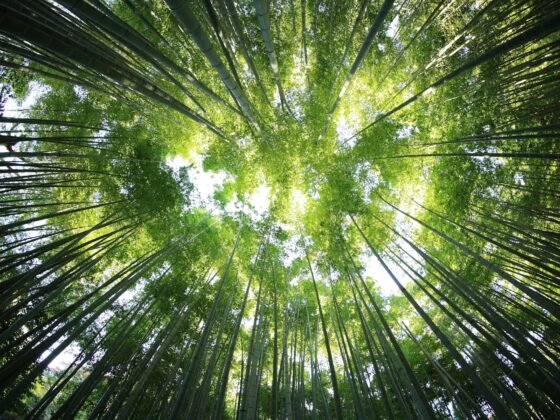
The first time I felt the pulse of a rainforest beneath my feet, I knew my life was changing. The air was thick with humidity, each breath heavy and rich with life, while the distant calls of howler monkeys reverberated through the jungle. It was a sound I had only heard in documentaries, and suddenly, I was part of the story.
Before this moment, I thought of myself as an environmentally conscious traveler. I used a reusable water bottle, avoided single-use plastics, and made an effort to choose eco-friendly accommodations. But these actions were more about feeling good than about understanding the magnitude of my impact. It wasn’t until I stood in the heart of Costa Rica’s endangered rainforests, volunteering on a conservation project, that I truly grasped the fragility of the planet and the urgency of its preservation.
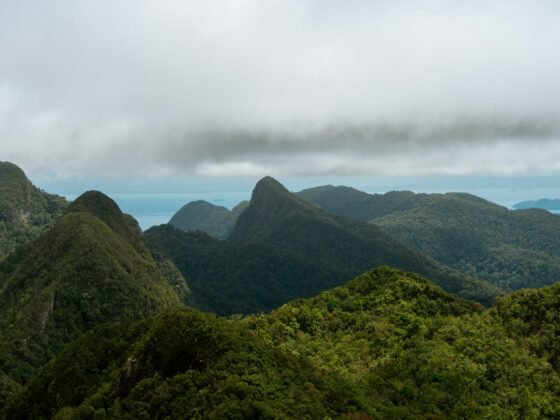
Costa Rica’s rainforests are known for their breathtaking beauty, but beneath the lush canopy lay an unsettling truth: these ecosystems were disappearing at a rapid rate. The forest that enveloped me was alive, lush and vibrant, but it was threatened by the very hands that had once nurtured it. As I walked through areas ravaged by illegal logging, the scorched earth felt like an indictment of humanity’s disconnection from nature. The jagged scars of deforestation were a stark reminder of how quickly a thriving ecosystem could be reduced to ruin. Species that had called this place home for centuries were vanishing, and with them, the intricate web of life that sustains our planet.
Yet amid this destruction, hope flickered in the form of people, dedicated individuals who were fighting to restore what had been lost. My fellow volunteers and I planted native trees, rehabilitated endangered species, and helped protect the delicate habitats that remained. I vividly remember the first tree I planted, a sapling that seemed so small in comparison to the towering giants of the forest. But as I pressed it into the earth, there was an overwhelming sense of connection, as though the soil was welcoming it, and me, back home. It wasn’t just about restoring a patch of land; it was about rekindling a relationship with a world we had long taken for granted.
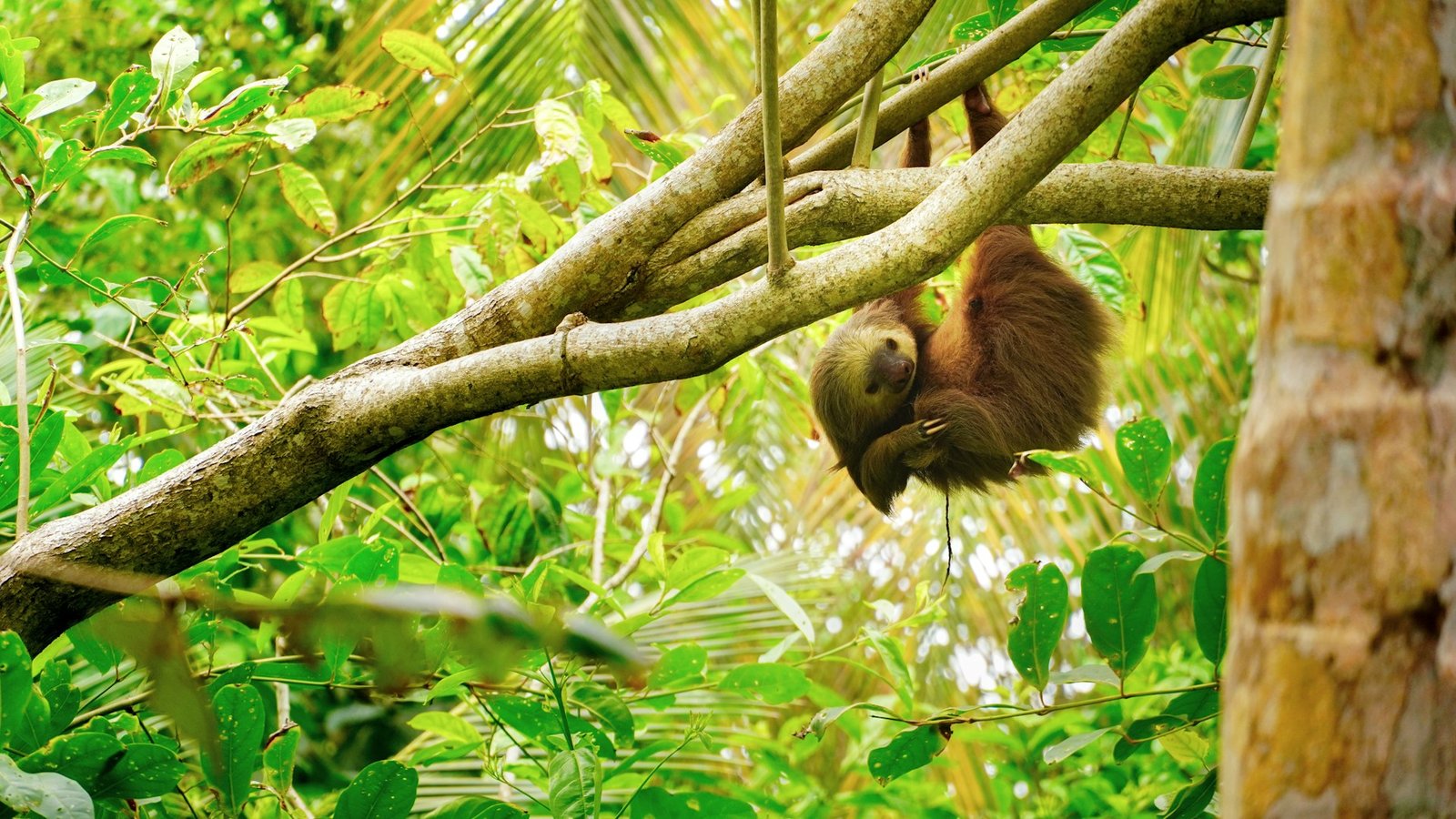
One of the most memorable moments came on a rainy afternoon when we helped a sloth navigate across a busy highway. The sloth’s eyes were half-closed, its movements deliberate and slow as we gently coaxed it to safety. In that moment, I realized how fragile life could be when habitats are fragmented by human activity. The sloth, an innocent victim of the landscape’s disconnection, depended entirely on the decisions we made. Watching it move slowly to the safety of the trees, I realized that every tree planted, every animal saved, was a defiant stand against the rapid degradation of the world around us. It was a tangible reminder that conservation is not just about saving one species, it’s about safeguarding the delicate balance of the ecosystems we all rely on.
The turning point for me wasn’t just about understanding sustainability as a concept, it was about internalizing it as a way of life. Sustainability became more than a checklist of eco-friendly habits. It became a mindset, a responsibility, and a challenge that I could no longer ignore. The experience in Costa Rica taught me that the true meaning of sustainability goes beyond individual actions. It’s about recognizing that we are part of a much larger ecosystem, and every choice we make has consequences. In my own life, I had to ask myself: how can I contribute to this movement, not just as a traveler, but as an active participant in the world?
Returning home, my approach to travel changed completely. I no longer sought destinations that only promised scenic views or cultural intrigue. Instead, I sought out places where I could make a meaningful impact. I gravitated toward eco-conscious travel experiences, wildlife conservation projects, and sustainable communities. I realized that the most enriching experiences came not from sightseeing, but from engaging with the places and people I visited in a way that respected and protected the environment.
The turning point wasn’t just about understanding the fragility of nature,it was about realizing that our actions have the power to heal or harm the world. It was about the people I met, the dedicated conservationists and volunteers whose tireless efforts showed me what it truly means to care for the planet. They taught me that real change doesn’t come from passive observation; it comes from active participation and a commitment to the well-being of all life.
In the end, my journey in Costa Rica was not just about a beautiful destination. It was about a profound shift in how I saw the world, how I understood my role in it, and how I now carry that sense of responsibility with me in all aspects of life. I have become a conscious traveler, not just looking for the next adventure, but actively seeking out ways to contribute to the planet’s preservationbecause our world, fragile and precious as it is, deserves nothing less.
Photo by Adrián Valverde on Unsplash