Switzerland is a country designed for slow, scenic travel, where the journey is just as rewarding as the destination. With panoramic train routes winding through snow-capped peaks, alpine lakes, and storybook villages, there’s no better way to explore than by rail. Early mornings on the platform, crisp mountain air, and quiet moments watching the landscape roll by are all part of the magic especially when you have a travel mug in hand to keep warm while soaking it all in.
Why Switzerland Is Best Explored by Train
Switzerland’s rail network is famously efficient, clean, and scenic. Trains run on time to the minute and connect even the smallest alpine villages. Instead of focusing on traffic or directions, travelers can sit back and enjoy floor-to-ceiling windows that showcase glaciers, valleys, and lakes.
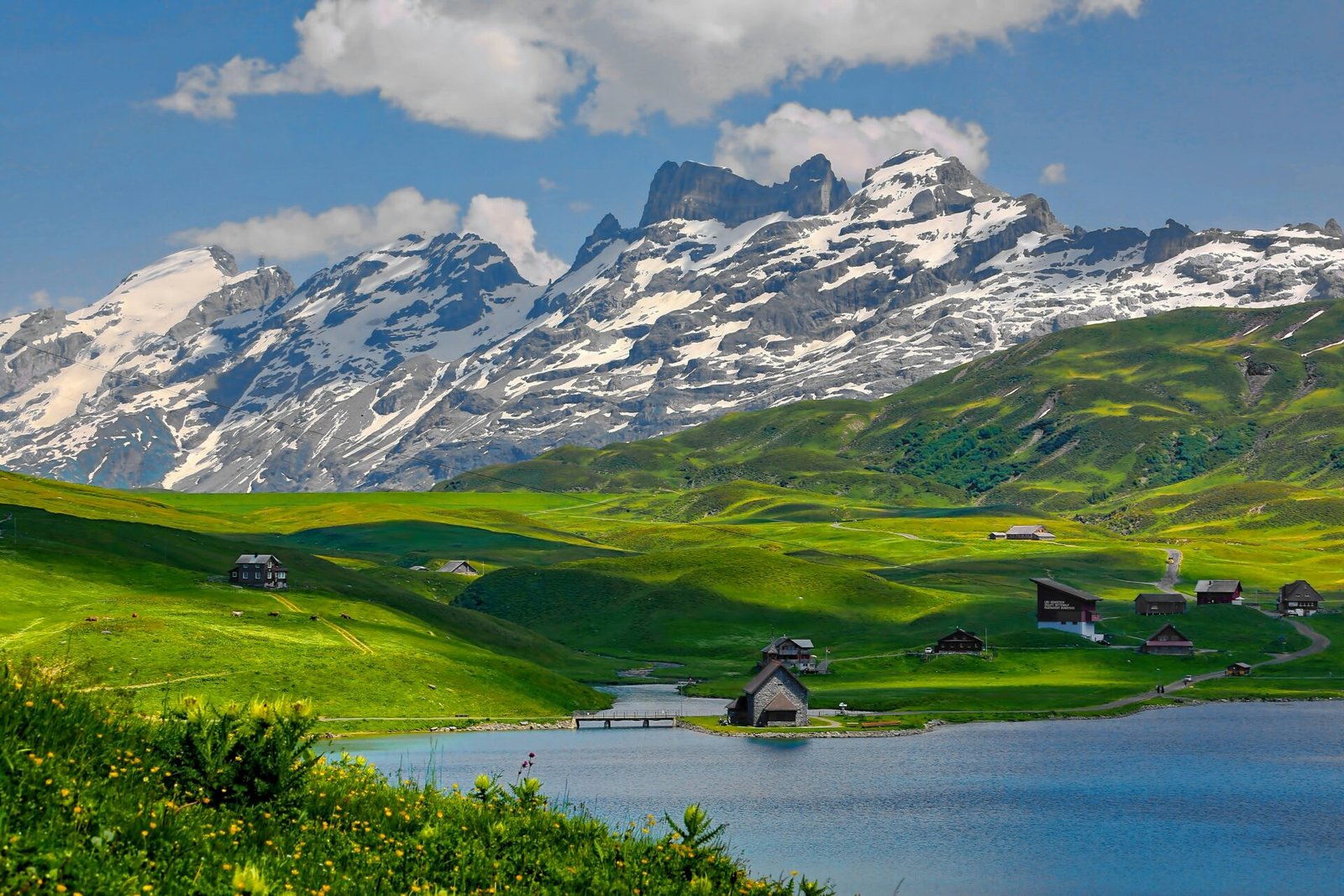
Routes like the Glacier Express and Bernina Express are world-renowned for a reason. These trains travel slowly, deliberately, allowing passengers to absorb every detail of the changing landscape. Snow-dusted forests give way to green meadows, wooden chalets dot the hillsides, and waterfalls appear without warning along steep cliffs.
Starting in Zurich and Lucerne
Zurich often serves as the gateway to Switzerland. While the city itself is vibrant and worth exploring, many travelers quickly head toward Lucerne, a charming lakeside city surrounded by mountains. The train ride between the two is short but scenic, passing rolling countryside and small towns.
Lucerne’s old town, wooden Chapel Bridge, and calm lake views set the tone for what’s to come. Morning walks along the waterfront feel peaceful, especially before tour groups arrive. It’s the perfect place to ease into Switzerland’s slower pace.
Into the Alps: Interlaken and Beyond
From Lucerne, the journey continues toward Interlaken, nestled between Lake Thun and Lake Brienz. This region is a hub for outdoor adventure, offering access to hiking trails, mountain viewpoints, and alpine villages.
Trains here feel like they belong in a postcard. Large windows frame dramatic peaks like the Eiger, Mönch, and Jungfrau. Even short trips feel immersive, as the scenery changes constantly. Stops along the way often tempt travelers to hop off spontaneously and explore.
Villages such as Lauterbrunnen and Grindelwald showcase Switzerland at its most iconic. Waterfalls cascade down sheer cliffs, cows graze in green fields, and church bells echo softly through the valley.
The Magic of Slow Mornings
Swiss travel encourages early starts, not out of urgency, but out of opportunity. Sunrise in the mountains is something special. Trains are quieter, platforms are calm, and the air feels impossibly fresh.
Sitting quietly while the world wakes up watching mist lift from valleys or sunlight hit mountain peaks becomes a ritual. These moments often become the most memorable parts of the trip, even more than famous landmarks.
Crossing Into the Heart of the Country
As you move deeper into the Alps, routes become more dramatic. The Glacier Express connects Zermatt and St. Moritz, offering eight hours of uninterrupted scenery. Despite its length, the journey never feels slow.
Inside the train, passengers speak in hushed tones, as if not to disturb the mountains themselves. Outside, rivers snake through valleys, wooden bridges span deep gorges, and snow lingers even in warmer months.
Zermatt, at the base of the Matterhorn, feels remote and timeless. Cars are banned, adding to the village’s peaceful atmosphere. Walking through its narrow streets feels like stepping into a winter postcard even in summer.
Why Train Travel Transforms the Experience
Traveling Switzerland by train shifts your mindset. Instead of rushing to check off attractions, you begin to appreciate transitions the spaces between places. Each leg of the journey feels intentional, calm, and restorative.
This way of traveling encourages presence. You notice details: how light changes across landscapes, how villages blend seamlessly into nature, how silence can feel luxurious. Switzerland doesn’t ask for speed; it rewards patience.
Image: Unsplash, Ricardo Gomez Angel