The average traveler now spends more time taking photos than actually looking at what’s in front of them. That’s not an exaggeration but a quiet tragedy of modern travel. Every corner of the world has been reviewed, rated, and hashtagged into predictability. Yet true wonder still exists for those who go looking for it. It hides in places without Wi-Fi and in moments that refuse to be scheduled. Real adventure, stripped of convenience, might be the most reliable cure for travel fatigue.
Trading comfort for curiosity
Travel once promised discovery. Today, it often promises comfort. Air-conditioned buses glide between landmarks, and itineraries flatten what should be unpredictable. Many travelers return home without a single unscripted moment. To rediscover awe, the first step is to leave room for the unknown. Exploration begins when certainty ends. Immersing yourself in a raw, unfamiliar environment pushes the senses to recalibrate. It’s the contrast that wakes the mind.
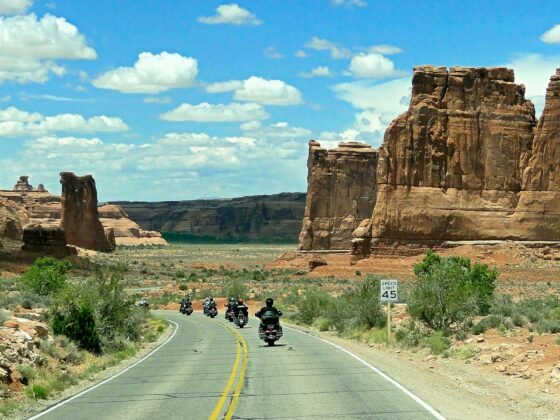
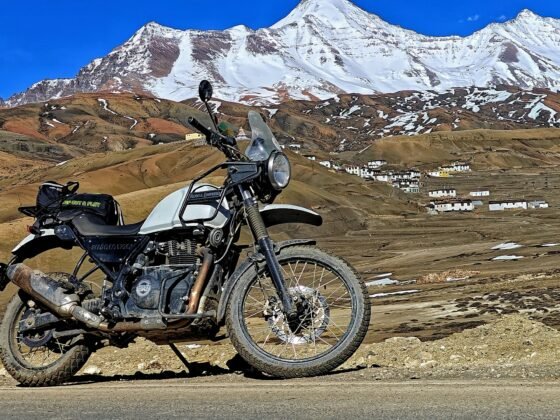
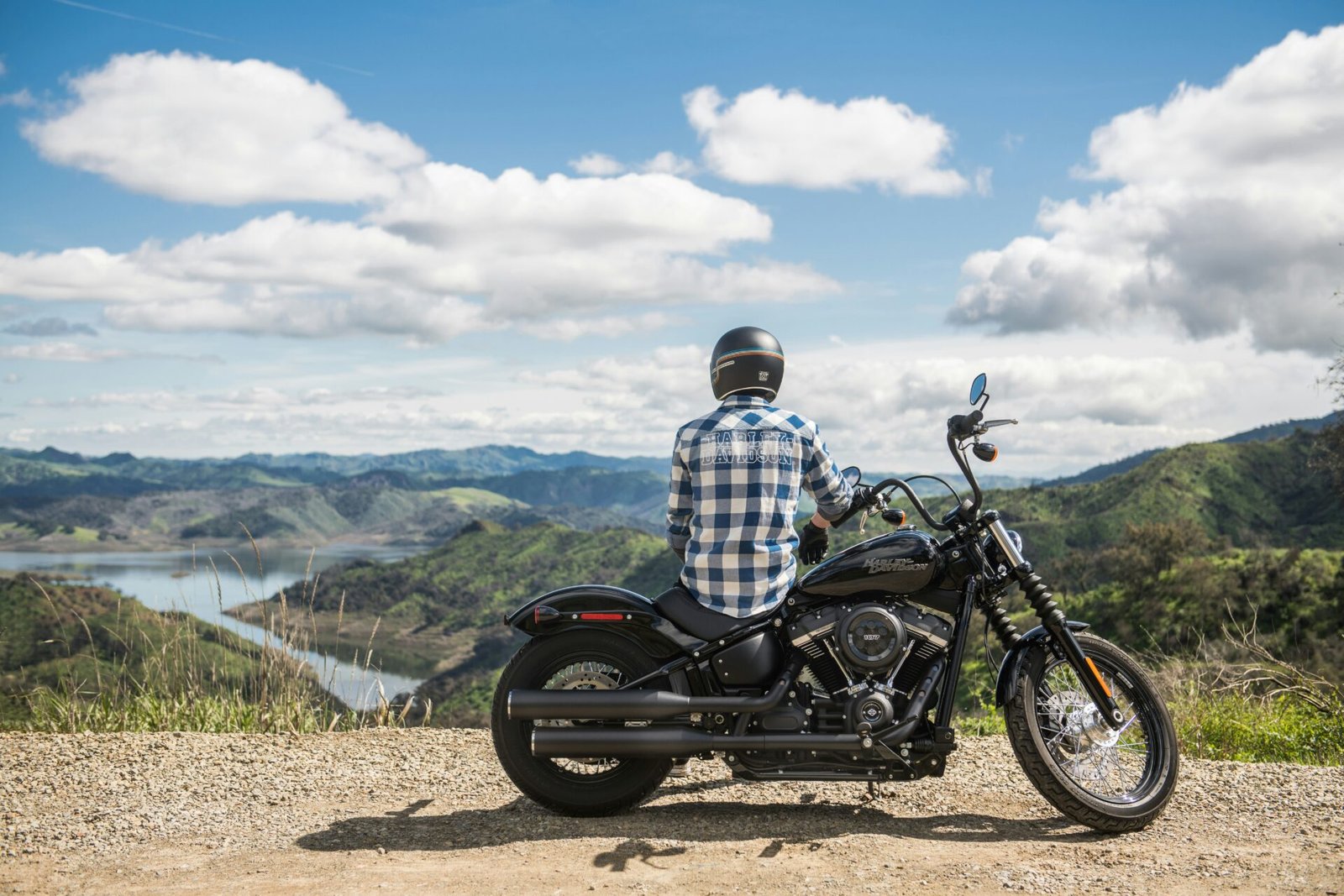
Some travelers find this renewal through movement itself. Joining a motorcycle adventure tour can shift perspective more effectively than a week in a luxury spa. Navigating winding mountain roads, adjusting to weather and rhythm, forces focus on the present. Every bend brings an element of risk, but also liberation. The experience doesn’t need to be extreme; it just has to be real. Travel becomes a dialogue between body and landscape, not a checklist of views.
The illusion of exploration
Modern tourism sells discovery while quietly erasing its essence. What was once a journey into the unknown has become a series of managed experiences. Resorts replicate each other so faithfully that geography feels irrelevant. From the décor to the breakfast buffet, the script rarely changes. Global travel networks have streamlined unpredictability out of existence. Convenience, marketed as freedom, is often just control in disguise. The result is paradoxical: travelers chase adventure while being carefully shielded from it. Comfort becomes a cage padded with all-inclusive amenities and predictable itineraries.
This sameness numbs the senses. The taste of local cuisine fades behind international menus. Conversations become transactional, reduced to polite exchanges rehearsed for tourists. Authentic encounters, the kind that shape memory and character, are replaced by curated moments designed for social media. The thrill of discovery—the quickened heartbeat of not knowing what comes next—vanishes under the weight of safety and familiarity. Convenience has its cost: it silences the very curiosity that once made people explore.
Curiosity, however, demands friction. Novelty thrives where order loosens its grip. Losing your bearings, navigating an unfamiliar bus route, or relying on gestures instead of words forces awareness to sharpen. That slight discomfort engages the brain’s learning centers, according to cognitive scientists at the University of London, who found that novelty stimulates dopamine release and improves memory retention. It’s no coincidence that the moments travelers remember most vividly are rarely the smoothest ones.
When awe rewires perception
Wonder, often dismissed as romanticism, is actually a measurable psychological state. Researchers at the University of California, Berkeley, describe awe as a response to something vast that transcends ordinary experience. Experiencing awe, they found, reduces self-focus and increases empathy, generosity, and overall well-being. It’s not limited to dramatic landscapes or rare spectacles; it can arise in the hum of a market at dusk, in art that silences thought, or in a conversation that reveals unexpected kindness.
Standing before such beauty reshapes the brain’s activity. Studies using fMRI scans show that the parietal lobe—the region defining the boundaries of the self—quiets during awe, creating a sense of connection to something larger. This biological shift explains why a sunrise over a mountain or the resonance of temple bells can leave a deep calm. The effect accumulates: the more one practices seeking awe, the more accessible it becomes. Curiosity turns into attentiveness, and attentiveness into gratitude.
Image: Unsplash, Harley Davidson